
How to Find an Egg Donor That Looks Like You

The journey to parenthood can be a challenging and emotional process, especially when it involves using an egg donor. Many individuals and couples seek an egg donor who resembles them physically, wanting a child who shares their characteristics. Whether it’s the color of the eyes, the hair type, or other genetic traits, it’s essential to know the best ways to find an egg donor that looks like you. This guide will help you understand how to approach the egg donor process, from matching donors to selecting the right candidate for your family.

Understanding the Egg Donor Matching Process

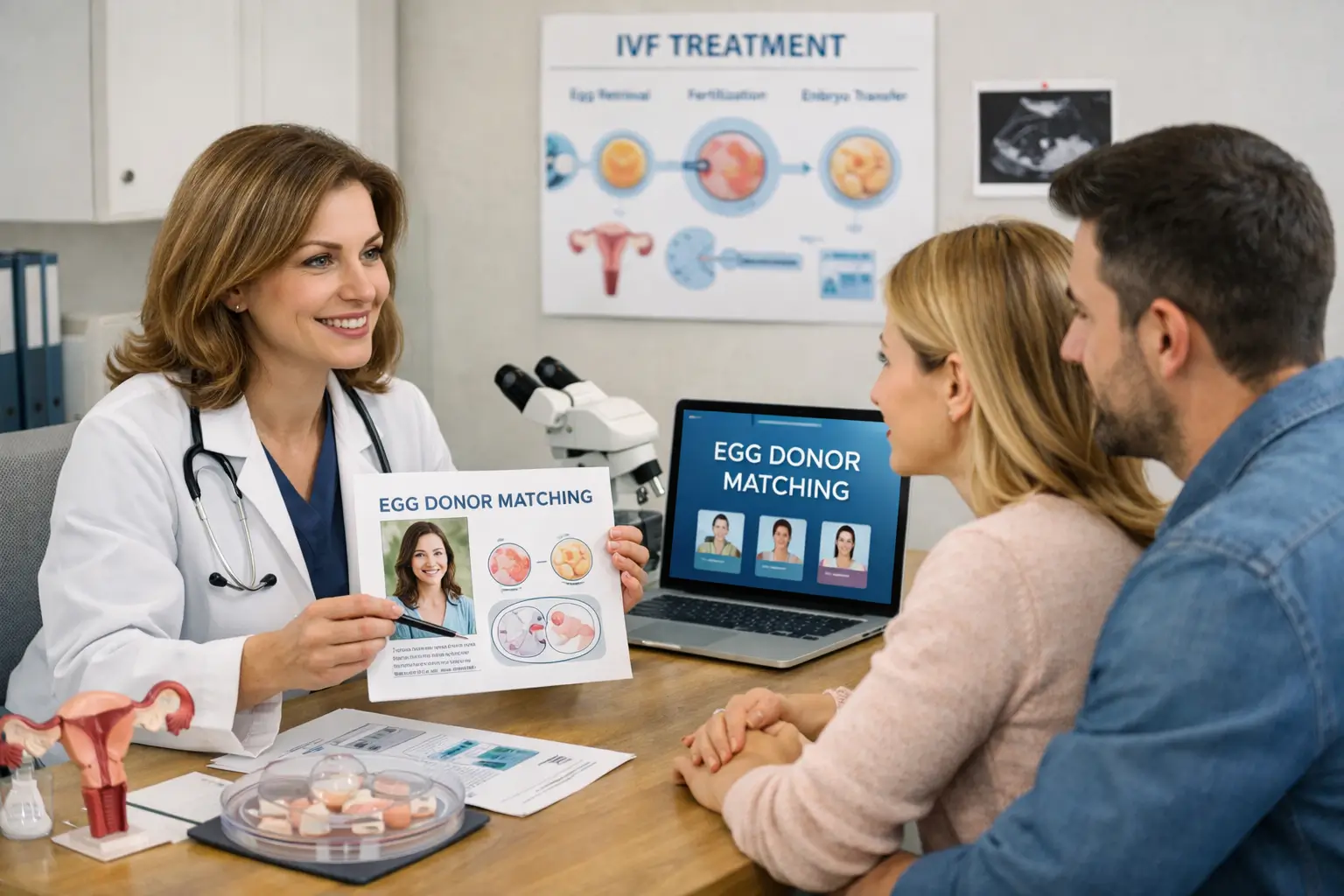
When you begin the process of finding an egg donor, the first step is understanding how the matching process works. The egg donor matching process is designed to ensure that you select the best donor for your needs, whether you’re seeking someone who resembles you or someone who meets certain health and genetic criteria.

Consultation and Preferences

  • Consultation and Preferences: The matching process typically begins with an initial consultation where you discuss your preferences, including physical traits such as eye color, hair color, and height. This is also the stage where you can outline any personal characteristics you’re looking for in a donor, such as education, ethnicity, or personality traits.

Donor Profiles

  • Donor Profiles: Once your preferences are clear, fertility clinics like Gateway Surrogacy provide you with a selection of potential egg donors. These profiles include detailed information about the donor’s physical appearance, family medical history, education, and even personality traits. Many profiles also include a photo, allowing you to see if the donor’s features align with your vision.

Genetic Screening

  • Genetic Screening: The egg donor matching process also involves rigorous genetic screening. Donors undergo medical tests to screen for genetic conditions, ensuring they are healthy and their eggs are viable. This helps reduce the risk of hereditary diseases and increases the chances of a successful pregnancy.

Key Egg Donation Requirements to Consider

Before you start finding a suitable egg donor, it’s essential to understand the key egg donation requirements to ensure a healthy pregnancy.

What to Look for in a Donor

  • Age: Most donors are between 21 and 32 years old. This age range offers the best egg quality.
  • Health Screening: Donors undergo thorough physical and genetic tests.
  • Psychological Evaluation: Donors are assessed for emotional and mental health.
  • Legal Agreement: Contracts are signed to clarify the donor’s legal rights and responsibilities.

These requirements ensure the donor’s health and emotional readiness for the donation process.

How to Find a Suitable Egg Donor

Finding the right egg donor goes beyond physical appearance. Here’s a quick look at how to select the right donor for you:

Steps to Finding a Suitable Egg Donor

  • Work with a Trusted Clinic: Choose a reputable clinic like Gateway Surrogacy, which can guide you through the process and provide the right match.
  • Matching Physical Features: Choose a donor with similar traits, like eye color, hair type, and skin tone.
  • Review Family History: Look for a donor with a clean medical history to reduce the risk of hereditary diseases.
  • Ethnicity and Background: If cultural or ethnic resemblance is important, many clinics offer this in donor profiles.

Sperm Washing for IVF and IUI

When using a sperm donor and insemination for IVF or IUI, sperm washing is a crucial procedure. This process helps prepare the sperm for fertilization and ensures that only the healthiest sperm are used.

What is Sperm Washing?

  • Sperm washing for IVF or IUI is a laboratory process that separates sperm from the semen. The sperm is then cleaned, leaving only the most viable sperm cells for fertilization.

Why Sperm Washing Matters

  • The sperm washing procedure for IVF is vital to remove any toxins, white blood cells, or other substances that could harm the eggs or affect the fertility process. This increases the likelihood of successful fertilization and helps reduce the risk of infection.

Role in IVF Gender Selection

  • If you’re interested in IVF gender selection, sperm washing plays a role in the process. Sperm sorting techniques are used to separate X chromosome sperm (female) and Y chromosome sperm (male). This allows for the selection of sperm based on the desired gender.

IVF Gender Selection: What You Need to Know

IVF gender selection allows parents to choose the sex of their baby before implantation. This method is more accurate than natural conception or IUI gender selection.

How IVF Gender Selection Works

  • Preimplantation Genetic Testing (PGT): Embryos are tested for sex before they are implanted in the uterus.
  • Legal Considerations: Gender selection may be limited to medical reasons in some countries, like avoiding gender-specific genetic disorders.
  • Success Rates: By choosing the embryo with the desired sex, success rates for IVF can increase.

At Gateway Surrogacy, we offer IVF with gender selection to help you achieve your family goals.

Gestational Surrogate Mothers and the IVF Process

In some cases, intended parents may need to work with a gestational surrogate mother to carry their child. This option is typically chosen when the intended mother cannot carry the pregnancy herself.

Key Points About Gestational Surrogacy

  • What is a Gestational Surrogate?: A gestational surrogate mother carries an embryo created through IVF but is not genetically related to the child.
  • Screening Process: Surrogates undergo medical, psychological, and legal screenings before participating in the process.
  • Legal Contracts: Clear legal agreements are made between the surrogate and the intended parents to avoid complications.

Gestational surrogacy offers a solution for those unable to carry a pregnancy, ensuring the child is genetically related to the intended parents.

The Benefits of Working with a Reputable Clinic

Choosing a fertility clinic like Gateway Surrogacy offers numerous benefits when navigating the egg donor matching process and IVF procedures. A trusted clinic ensures that all aspects of your treatment, from egg donor matching to IVF gender selection, are handled with care and professionalism.

Why Choose Gateway Surrogacy?

  • Expert Guidance: Our team provides personalized support throughout the entire process.
  • Comprehensive Donor Database: Access a large database of donors with detailed profiles.
  • Success Rates: We offer high success rates for both IVF and gender selection.

Conclusion

Finding an egg donor that looks like you is a personal and important decision in the fertility journey. By understanding the egg donor matching process, reviewing the egg donation requirements, and considering factors like IVF gender selection and sperm washing for IVF, you can ensure the best possible outcome for your family.

If you’re ready to begin your journey to parenthood, Gateway Surrogacy is here to help. Call us at 856-565-2181 for a consultation or visit our website for more information on finding the perfect egg donor and starting your fertility treatment.


Smart Ways to Start with a Surrogacy Agency in New Jersey for First-Time Parents

People experience both excitement and overwhelming emotions during their initial journey into parenthood when they select surrogacy as their primary path to building their family. Your research process begins with your need to secure approval from a New Jersey licensed surrogacy agency, which provides professional experts who will guide you throughout your complete research experience. Through its Gateway Surrogacy program, first-time parents receive both legal and medical solutions that help them deal with the emotional and practical issues of surrogacy. The guide provides you with practical steps that include essential factors and specific guidance that will enable you to start your journey.

Understanding Surrogacy in New Jersey

The New Jersey Gestational Carrier Agreement Act establishes legal recognition for surrogacy through the enforcement of gestational surrogacy contracts, which allow intended parents to obtain pre-birth orders from the court system. The law allows you to establish legal parentage before your child is born, which simplifies your legal process after the birth. 

The organization functions as the main entity that oversees the entire process of surrogacy in New Jersey. The agencies assist intended parents by helping them identify and assess potential gay surrogacy agencies in NJ who meet their needs, which includes supporting all legal and medical needs, while they educate them about state regulations that protect everyone involved in the process.

Why First-Time Parents Should Work With an Agency

Although people might find solo work more attractive, surrogacy requires multiple steps, which include creating legal contracts, conducting medical assessments, performing psychological tests, and managing all operational details. New Jersey surrogacy agencies possess both the system needs and the professional knowledge that enables them to deliver an ethical and efficient operational process. The agencies offer their services, which include: 

  • The organizations handle the process of evaluating and selecting suitable surrogates.
  • The teams work together with reproductive medical centers and attorneys.
  • The teams help clients meet New Jersey surrogacy law requirements.
  • The organization offers psychological assistance and practical help to clients throughout the process.

The protection and transparency that you gain through agency partnerships benefits all individuals who approach surrogacy for LGBTQ individuals in Marlton as a couple, single parent, or LGBTQ member.

Step-by-Step to Get Started with a Surrogacy Agency in New Jersey

Here are practical steps for first-time parents before and after choosing a surrogacy agency in New Jersey:

1. Educate Yourself on the Legal Framework

The state surrogacy laws, together with the parentage requirement,s must be studied before any work can start. The pre-birth order process in New Jersey enables parents to obtain legal recognition of their relationship before their child is born, which helps hospitals to handle procedures and documentation more efficiently. All parties involved need legal examination, while both intended parents and surrogates must have their own legal representation.

2. Choose the Right Agency

Different agencies provide different levels of assistance to their customers. You should choose a surrogacy agency in New Jersey that demonstrates open business methods, receives excellent customer feedback, and has proven success in matching clients with surrogates. The following information should be requested: 

  • The organization needs to explain its methods for selecting surrogates.
  • The organization needs to explain its methods for delivering information and maintaining active communication.
  • The organization needs to describe its available legal resources and psychological assistance services.
  • Experience with surrogacy for HIV positive New Jersey parents or other specialized needs

Your best partner will be an agency that understands your requirements because you want to obtain information about surrogate egg donor requirement NJ or need assistance with LGBTQ+ family creation.

3. Complete Agency and Clinic Applications

Once you choose an agency, you’ll typically complete an intended parent application. This confidential form starts your profile and helps the agency find suitable matches. Agencies arrange consultations and educational sessions to assist you in understanding the process and its expected duration.

Your fertility clinic will conduct medical tests and create embryos during the same time period. The medical procedures of clinics and their matching activities occur in synchronized operations between clinics and agencies.

4. Screening and Matching With a Surrogate

After applications, the agency begins screening potential surrogates. Requirements for those who want to know how to become a surrogate in NJ generally include:

  • Being at least 21 years old
  • Having had at least one previous successful pregnancy and delivery
  • Passing medical and psychological evaluations
  • Living in a stable environment

Surrogate candidates must fulfill these requirements to confirm their readiness for the surrogacy process.

The matching process involves two parties who work together to find a suitable match. Intended parents begin their process by examining surrogate profiles and then interact with them to select their preferred match. New Jersey law treats gay couples and non-traditional families equally because it prohibits discrimination based on sexual orientation.

5. Legal Contracts and Pre-Birth Orders

The process begins when you choose a surrogate, and your lawyers create a gestational carrier agreement which details all duties and payment arrangements, health needs, and legal rights of parents. Each party requires different lawyers to receive their own legal guidance.

The agency and attorney proceeded to submit a pre-birth order application, which they filed after completing the contract with the New Jersey Superior Court. The order designates the parents who will appear on the birth certificate before the baby is born, which helps hospitals to handle their procedures more efficiently.

Support Services and Specialized Needs

New Jersey surrogacy agencies that provide excellent services:

  • Gay surrogacy agency in NJ — tailored support for LGBTQ+ couples or individuals building families.
  • Surrogacy for HIV positive New Jersey — working with agencies and clinics familiar with medical safety protocols can provide necessary guidance (always disclosure and health safety are prioritized).
  • Become an egg donor in NJ or answer surrogate egg donor requirement NJ questions — agencies often partner with donor programs and provide guidance on eligibility.
  • Surrogacy agency near me services — even if not local geographically, agencies licensed in New Jersey can work with you virtually and coordinate all necessary services.

Tips for First-Time Parents

  • Start early — surrogacy can take 12–24 months from start to finish.
  • Ask questions — transparency about costs, legal requirements, and timelines is critical.
  • Plan financially — agency and medical costs vary, so clear budgeting helps avoid surprises.
  • Stay engaged — supporting clear communication between intended parents, surrogates, attorneys, and clinics improves outcomes.

Conclusion

Your surrogacy journey starts when you make this transformative decision. New Jersey surrogacy agencies offer expectant parents essential professional services through their emotional support programs and legal expertise. Gateway Surrogacy helps first-time parents with their surrogacy process through educational materials, surrogate relationship development, and trust-building support. To receive personalized assistance that helps you begin your family-building process with confidence, contact Gateway Surrogacy at 856-565-2181  to schedule a consultation or discover our support services.

Frequently Asked Questions

Q. How do I start with a surrogacy agency in New Jersey as a first-time parent?

Ans: The procedure for beginning your surrogacy agency journey in New Jersey requires you to schedule a consultation and submit an intended parent application while you review all essential legal and medical requirements. The agency will guide you through all aspects of the process, which consists of screening procedures, clinic coordination activities, matching tasks, and legal contract signing operations. 

Q. Is working with a surrogacy agency in New Jersey legally safe?

Ans: The legal status of working with a surrogacy agency in New Jersey provides complete protection for all parties involved. A professional surrogacy agency in New Jersey follows the New Jersey Gestational Carrier Agreement Act, which establishes enforceable contracts and pre-birth parentage orders. The agencies collaborate with experienced attorneys to develop legal protections that benefit both intended parents and surrogates. 

Q. Can I find a gay surrogacy agency in NJ that supports LGBTQ families?

Ans: Yes. Multiple agencies operate as gay surrogacy agencies in New Jersey, and they provide complete support for LGBTQ intended parents. New Jersey law permits same sex couples and individuals to use surrogacy, while agencies provide complete support through their matching services and legal assistance. 

Q. What are the basic requirements for becoming a surrogate in NJ?

Ans: The basic requirements for becoming a surrogate in New Jersey state that candidates must fulfill several requirements, which include reaching the age of 21, having previously experienced a healthy pregnancy, passing medical and psychological tests, and maintaining a consistent way of life. The New Jersey surrogacy agency controls the entire screening process through its established procedures.

Q. Can people search for a surrogacy agency near me and work remotely?

Ans: Yes. The agencies that provide surrogacy services for people who search for a surrogacy agency near them include virtual consultations and remote coordination services throughout their operations. Most of the screening process, together with legal preparation and matching tasks, can be performed through secure online methods, while clinic appointments will take place at nearby locations.

Q. Is surrogacy for HIV positive New Jersey intended parents possible?

Ans: In certain medically approved situations, surrogacy for HIV positive New Jersey intended parents may be possible using strict fertility clinic safety protocols. Experienced agencies coordinate with specialized clinics to evaluate eligibility and risk controls for surrogacy for HIV couples on a case-by-case basis.

Selling Eggs in NJ: A Complete Guide to the Egg Donation Process in New Jersey

Egg donation is an extremely charitable and, at the same time, life-changing act that transforms the lives of the intended parents into their dream of having kids. Women who are considering selling eggs in NJ need to understand the whole process, requirements, and the very benefits of that, so they are encouraged to explore the matter first. At Gateway Surrogacy, we are framing the donors to be informed, not just through transparency but also with care and professionalism, from the very beginning until the end.

Navigate through this comprehensive Selling Eggs in New Jersey with total confidence by learning about the eligibility of donors, the amount paid, the donation process, and much more.

What Does Selling Eggs in NJ Mean?

Selling eggs in NJ means a procedure in which an individual (a healthy woman) provides her eggs for those who, due to some reason, cannot get pregnant. While commonly called “selling,” egg donation is legally considered compensation for time, effort, and medical commitment, not the eggs themselves.

Many women choose to sell eggs in NJ as a meaningful way to support families while receiving financial compensation. The whole process is a safe one due to its being regulated, fast, and always under strict medical and ethical standards.

Who Can Become an Egg Donor in New Jersey?

If the issue at hand is how to be an egg donor in New Jersey, it means that to safeguard both the donor and the recipient, certain conditions have to be put in place and must be met.

Basic Eligibility Requirements:

  • Age between 21 and 30 (some exceptions may apply)
  • Good physical and mental health
  • Non-smoker and drug-free
  • Healthy BMI
  • No significant genetic or hereditary disorders
  • Willingness to undergo

The same way that Gateway Surrogacy does with every single applicant, the screening is very thorough in order to have the donors who are well-informed, and thus the whole process goes smoothly.

How to Donate Eggs in NJ: Step-by-Step Process

A little bit of knowledge about how to donate eggs in NJ goes a long way in making you feel ready and sure of yourself. The whole process takes about 2 to 3 months, usually from the application stage to that of the actual donation.

1. Initial Application

First, you will be required to complete a very in-depth application. It will inquire about your previous medical history, your lifestyle, and your personal background.

2. Medical & Psychological Screening

Qualified candidates undergo:

  • Blood tests and hormone evaluations
  • Ultrasounds
  • Genetic testing
  • Psychological assessment

It is through these steps that your safety and the reason for your fit to be a donor are established.

3. Legal Agreements

At this stage, legal contracts have to be signed first, wherein your rights are secured, and the payment and duties are made clear.

4. Ovarian Stimulation

For approximately 10 to 12 days, you will be doing hormone injections yourself to increase the number of eggs your body will produce. You will be monitored by a healthcare professional every day.

5. Egg Retrieval

The eggs are collected through a short, outpatient medical procedure. Most donors resume normal activities within 1–2 days.

Compensation for Selling Eggs in NJ

Your remuneration varies from donor to donor, to be specific about the respective experience, background, and factors of the donor. Usually, first-time donors are compensated between $6,000 and $10,000, but there is no limit for those who are experienced. This payment mirrors the donor’s devotion, stamina, and physical exertion. At Gateway Surrogacy, all payment particulars are made crystal clear right at the beginning of the process, thus creating an atmosphere of openness and trust.

Benefits of Becoming an Egg Donor in NJ

The decision to become an egg donor in NJ brings both emotional and practical benefits:

  • Infertile couples get a chance through a donor
  • Receiving generous financial compensation
  • No medical screenings costs
  • A source of Inner satisfaction and power
  • Support from experienced professionals

Many women describe egg donation as one of the most meaningful experiences of their lives.

Is Selling Eggs in NJ Safe?

The answer is yes; egg freezing in NJ is safe, provided professional hands that are skilled and experienced do the handling. The medical practices are such that risks are kept to a minimum, and donors are watched over very carefully during the entire process. The possible side effects, like bloating or a slight feeling of discomfort, are normally very short-lived. Gateway Surrogacy makes sure the health of the donor is of the greatest priority and that every question or concern is addressed instantly.

Why Choose Gateway Surrogacy?

Gateway Surrogacy is committed to providing ethical, supportive, and personalized egg donation experiences. We offer:

  • Clear communication and guidance
  • Experienced medical and legal partners
  • Compassionate donor care
  • Transparent compensation
  • Ongoing support before, during, and after donation

Our goal is to make selling eggs in NJ a positive and empowering journey.

Ready to Take the First Step?

If you’re considering selling eggs in NJ or want to learn more about how to become an egg donor in NJ, Gateway Surrogacy is here to help. Contact us today to begin your journey with confidence and care.

Frequently Asked Questions

Q. Is selling eggs in NJ legal?

Ans : Yes, selling eggs in NJ is legal and regulated. Compensation is provided for time and commitment, not the eggs themselves, and the process follows strict medical and legal guidelines to protect all parties.

Q. How long does it take to donate eggs in NJ?

Ans : The full process of how to donate eggs in NJ typically takes 6–8 weeks, including screening, medical preparation, and recovery, depending on the individual’s response to treatment.

Q. Can I be a surrogate selling eggs in NJ?

Ans : Yes, some women may qualify as a surrogate selling eggs in NJ, but surrogacy and egg donation are usually handled separately to ensure medical and ethical best practices.

Q. How do I become an egg donor in NJ with no experience?

Ans : You can become an egg donor in NJ with no prior experience if you meet eligibility requirements. First-time donors receive full guidance, medical care, and support throughout the process.

Q. Will selling eggs in NJ affect future fertility?

Ans : No, selling eggs in NJ does not reduce your future fertility. The process uses eggs your body would naturally release during a normal menstrual cycle.

Choosing the Right LGBTQ Surrogacy Agency: What Intended Parents Should Know

Deciding to build your family through surrogacy is a profound and emotional decision. For LGBTQ individuals and couples, it can also be filled with questions, uncertainties, and unique considerations. Finding the right surrogacy partner matters — not just in logistics, but in support, legal protection, and the overall experience as you move toward parenthood.

Surrogacy is a path that offers choices and possibilities that didn’t exist for many people just a generation ago. But it’s also complex, involving medical, legal, emotional, and financial layers that deserve careful attention. Choosing an experienced LGBTQ surrogacy agency can help you navigate those layers with clarity and confidence, especially when your family-building journey comes with additional legal or social considerations.

Why a Surrogacy Agency Matters

An agency is often the central hub in the whole process. While a fertility clinic handles medical procedures like IVF and embryo transfers, a surrogacy agency connects you with a surrogate, supports both sides emotionally, and helps keep paperwork, legal processes, and logistics organized. A knowledgeable, experienced agency makes your journey smoother, clearer, and more reassuring.

Some agencies specialize in serving LGBTQ parents and understand the unique dynamics involved. If you’re pursuing surrogacy for LGBTQ in NJ or another state with specific legal frameworks, working with professionals who already understand those requirements can significantly reduce stress. The agencies, such as Gateway Surrogacy, welcome gay couples or single parents and customize their approach to different family structures.

Start With Agency Reputation and Experience

One of the first things to check when evaluating options is reputation. Look for agencies with real success stories, honest reviews, and a history of working with LGBTQ families. An established LGBTQ surrogacy agency will already be familiar with the legal nuances, emotional concerns, and practical realities that LGBTQ intended parents often face.

A strong agency should also have trusted relationships with fertility clinics and reproductive attorneys. This network ensures that you’re supported medically and legally from the beginning, rather than scrambling to find help later.

Understand Their LGBTQ-Focused Support

Not all surrogacy agencies are equally equipped to help LGBTQ parents. Genuine inclusivity isn’t just the words on a web page — it is evident in the way they speak about families, the way they talk about it, and how relaxed you are in conversations, and whether they’re able to confidently answer questions regarding the surrogacy process that is based on a same-sex partner.

Ask if they have direct experience working with gay, lesbian, and non-binary parents, and what they’ve done to handle legal or social issues in previous cases. Organizations that frequently support LGBTQ families are more likely to be more open and anticipate issues prior to them occurring.

Ask the Right Questions

Prepare a list of questions before speaking with any agency. Focus on areas such as:

  • What services are included in their program?
  • How does surrogate matching work, and what factors do they consider?
  • What legal guidance or referrals do they provide?

Legal protection is especially important when laws vary by state. A trustworthy agency should be transparent about costs, timelines, and any limitations in their services.

Legal and Ethical Considerations

Surrogacy involves more than matching people and planning medical appointments — it’s also about securing parental rights. Laws can differ significantly depending on where you live and where your surrogate resides. For example, intended parents working with an LGBTQ surrogacy agency in NJ should understand how New Jersey law handles pre-birth orders, parental recognition, and same-sex parent protections.

A knowledgeable agency will either provide legal support directly or connect you with experienced reproductive attorneys to ensure your rights — and your child’s — are fully protected.

Financial Transparency

Surrogacy costs can include medical expenses as well as surrogate compensation, legal fees, and agency services. The upfront, clear pricing can help you plan your budget and prevent unplanned expenses. Agencies that clearly explain their fees and clearly tend to establish trust with parents who are expecting children.

Emotional Support and Communication

Surrogacy is a challenging and emotional process for all parties affected. An agency that is supportive checks in frequently, assists in managing expectations, and promotes the respectful exchange of information between intended parents as well as surrogates. Support for emotional well-being can have a profound impact in difficult moments as well as milestones.

The Matching Process

The way your agency matches with the surrogate is important. A match in values of communication, style of communication, and expectations can create an enjoyable and productive experience throughout the entire pregnancy. Many agencies carefully tailor matchmaking to LGBTQ parents to create an affirming and respectful relationship.

Closing Thoughts

Choosing the right LGBTQ surrogacy agency is one of the most important steps on your path to parenthood. By taking your time, asking thoughtful questions, and working with professionals who truly understand your needs, you can move forward with confidence. With the right guidance and support, your vision of building a family can become a reality grounded in care, clarity, and trust.

Ready to start your surrogacy journey with the right support? Contact us today to discuss your options and get the expert guidance you need. Call us at (856) 565-2181 or 551-666-5154, or email info@gatewaysurrogacy.org.

Frequently Asked Questions

Q. What should I look for when choosing a surrogacy agency?

Ans : When selecting a surrogacy agency, look for experience, a strong reputation, transparent pricing, and proven legal expertise. Choosing an LGBTQ surrogacy agency that actively supports diverse family structures can also ensure you feel understood and supported throughout the process.

Q. How do surrogacy agencies support LGBTQ intended parents?

Ans : Many agencies specialize in working with LGBTQ individuals and couples by offering inclusive care, emotional guidance, and awareness of unique challenges. If you are considering an LGBTQ surrogacy agency in NJ, it’s helpful to choose one familiar with state laws and experienced in supporting same-sex intended parents.

Q. What legal considerations should I be aware of in surrogacy?

Ans : Surrogacy laws vary by state and can impact parental rights, especially for LGBTQ families. Working with an agency that understands legal requirements for surrogacy for LGBTQ in NJ can help ensure your rights are properly established and protected from the start.

Q. How does the surrogacy matching process work?

Ans : Surrogacy agencies match parents who are interested in having children with surrogates who share the same values, expectations, and communication styles and expectations. A careful matching process can help establish a positive and respectful relationship throughout the entire journey.

Q. What costs are involved in surrogacy?

Ans : Surrogacy is a complex process that involves multiple costs that include medical procedures and surrogate compensation, as well as agency fees and legal costs. A reputable agency will give you a clear and detailed cost breakdown before signing up, so you are able to plan your budget before making a decision.

Egg Donation in New Jersey: Requirements and the Journey

Introduction:

Are you thinking about donating eggs in New Jersey? A selfless gesture like egg donation has the power to transform lives. The requirements and procedure for egg donation in the Garden State will be explained in detail in this detailed guide. From the requirements for qualifying to the nuances of the donation process, we’ll cover it all. Join me as we set out on this important journey.

  1. Understanding the Importance of Egg Donation

The assisted reproductive technology (ART) that enables infertile people and couples to realise their dream of motherhood includes egg donation. Over 8% of couples in the United States who are of reproductive age struggle with infertility, according to the American Society for Reproductive Medicine.

  1. Eligibility Criteria for Egg Donation

Before diving into the process, it’s essential to understand the eligibility criteria for egg donors in New Jersey. Typically, the requirements include:

  1. Age: Most egg donation programs require donors to be between 21 and 32 years old. This age range ensures optimal egg quality.
  2. Health: You should be in good physical and mental health, with no significant medical issues.
  3. Non-Smoker: Smoking can negatively impact egg quality, so most programs prefer non-smoking donors.
  4. BMI: Maintaining a healthy body mass index (BMI) is crucial.
  5. No Genetic Disorders: A family history free of hereditary conditions is usually preferred.
  6. Education: While not always a strict requirement, higher education is often preferred.
  7. Finding the Right Egg Donation Program

Numerous trustworthy egg donation programmes are available in New Jersey. Find one that fits with your aims and ideals by doing some research. The Centres for Disease Control and Prevention (CDC) reported 464 egg donation cycles in New Jersey in 2018.

  1. The Application Process

After deciding on a programme, you must fill out an application. Typically, this entails sharing personal and medical data as well as submitting to genetic testing and psychiatric evaluations.

  1. Medical Evaluation

If your application is accepted, you’ll undergo a comprehensive medical evaluation. This includes fertility testing, infectious disease screenings, and a physical examination.

  1. Legalities and Consent

Egg donation involves legal agreements outlining your rights and responsibilities. Consult with legal experts to ensure you fully understand the legal aspects of the process.

  1. Hormone Stimulation

After deciding on a programme, you must fill out an application. Typically, this entails sharing personal and medical data as well as submitting to genetic testing and psychiatric evaluations.

  1. Egg Retrieval Procedure

A quick surgical operation is used to remove the eggs once they have grown. To ensure your comfort, this procedure is often performed while you are sedated.

  1. Post-Retrieval Recovery

Recovery time after the procedure is minimal. You may experience mild discomfort, but it usually subsides within a few days.

  1. The Rewarding Experience

The last stage of your egg donation journey is realising how much of an impact you’ve made in someone else’s life. Your deed of compassion may contribute to the formation of a devoted family, which is an amazing reward in and of itself.

How to Become an Egg Donor in New Jersey

To become an egg donor in New Jersey, you will need to go through a screening process that includes a medical evaluation, psychological evaluation, and genetic testing. You will also need to meet certain criteria, such as being between the ages of 21 and 29 and being in good overall health.

Once you have completed the screening process and been approved as a donor, you will need to undergo a series of hormone injections and egg retrieval procedures. The eggs are then fertilized with sperm from the intended father or a sperm donor and the resulting embryos are implanted into the intended mother or a surrogate.

Egg quality is an important factor in the success of egg donation. It refers to the potential of an egg to fertilize, develop into an embryo, and eventually lead to a healthy pregnancy. Factors that can affect egg quality include a woman’s age, overall health, and genetic makeup.

Donated eggs are typically sourced from young, healthy women who have undergone a thorough screening process. The eggs are usually fertilized with sperm from the intended father or a sperm donor and the resulting embryos are then frozen for later use.

It is important to note that even with high-quality eggs, there are no guarantees of pregnancy or live birth. However, the use of donated eggs can greatly increase the chances of success for individuals or couples who may have difficulty conceiving due to factors such as advanced maternal age or infertility.

Egg retrieval, also known as oocyte retrieval, is a surgical procedure in which eggs are removed from a woman’s ovaries. The procedure is typically performed under light anesthesia and takes about 30 minutes to an hour.

During the procedure, the doctor will use a thin, hollow needle to remove eggs from the ovaries. The eggs are then immediately checked for maturity and quality and may be fertilized with sperm from the intended father or a sperm donor. The resulting embryos are then frozen for later use.

Frozen donor eggs are eggs that have been donated by a young, healthy woman who has undergone a thorough screening process. These eggs have been fertilized and frozen for later use. The frozen donor eggs are then thawed and transferred to the intended mother’s uterus or a surrogate’s uterus.

It is important to note that the success rate for pregnancies using frozen donor eggs is similar to that of fresh donor eggs. Additionally, frozen donor eggs can be stored for long periods of time, providing more flexibility for individuals or couples who may need to delay treatment.

Psychological screening:

Psychological screening is an important part of the egg donation process. It is designed to ensure that the potential donor is emotionally and mentally capable of handling the physical and emotional demands of egg donation. The psychological evaluation typically includes a clinical interview, questionnaires, and may involve a psychological assessment by a licensed therapist or counselor.

Ovarian reserve refers to the number and quality of eggs that a woman has remaining in her ovaries. Ovarian reserve can be evaluated through a variety of testing methods, including blood tests, ultrasound, and biopsy. These tests can help to determine the potential success rate of egg donation.

The screening process for egg donors typically includes a medical evaluation, psychological evaluation, and genetic testing. The medical evaluation includes a thorough physical examination, blood tests, and ultrasound to check for any underlying health issues or conditions that may affect the egg donation process. Genetic testing is done to ensure that the donor does not carry any genetic disorders that could be passed on to the resulting child.

It is important to work with a reputable clinic that follows guidelines and standards set by professional organizations such as the American Society for Reproductive Medicine (ASRM) and Society for Assisted Reproductive Technology (SART) to ensure that the egg donation process is done safely and ethically, both for the intended parents and the egg donors.