Frozen Embryo Transfer
A New Path to Parenthood
At Gateway Surrogacy, we understand that becoming a parent is a deeply personal and sometimes challenging journey. For those who have struggled with fertility issues or those who are considering surrogacy as an option, the idea of frozen embryo transfer (FET) offers an opportunity to make parenthood a reality. FET has helped countless individuals and couples build their families and create new beginnings.
In this guide, we’ll walk you through the key aspects of frozen embryo transfer, explain how the frozen embryo transfer process works, and how it could be the right solution for your unique situation. Our goal is not just to inform but to help you make an informed decision about moving forward with FET in a way that feels empowering and supported.
What Is Frozen Embryo Transfer (FET)?
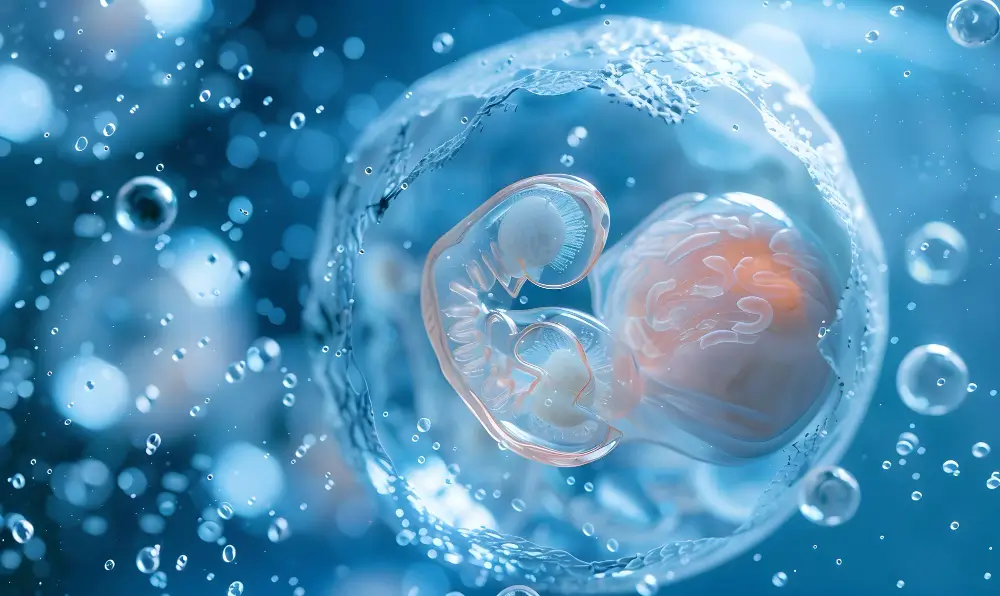
Frozen embryo transfer is a fertility treatment where an embryo, which was previously created through in vitro fertilization (IVF), is frozen and then thawed before being implanted into the uterus of the intended parent or a gestational carrier. This process offers several benefits, including the ability to preserve embryos for later use, providing future opportunities for family-building without needing to undergo the egg retrieval process again.
Frozen embryos are typically created during an IVF cycle, where eggs are retrieved from the intended mother or a donor, fertilized with sperm, and cultured to create viable embryos. These embryos can then be frozen and stored for future use, allowing parents to delay the transfer until they are ready.
Why Choose Frozen Embryo Transfer?
There are several reasons why FET is a preferred choice for many families
Flexibility
Frozen embryos offer the flexibility to plan your transfer at a later time. Whether you’re waiting to find the perfect gestational surrogate or deciding the right time for pregnancy, FET allows for careful planning and a predictable frozen embryo transfer timeline.
Increased Success Rates
Studies have shown that frozen embryos can often have higher success rates than fresh transfers. This is partly because freezing embryos allows for better control over the timing of implantation, ensuring the uterus is in optimal condition to receive the embryo, which can positively influence the frozen embryo transfer success rate.
Cost-Effective
FET can often be more affordable than undergoing another full IVF cycle, as it avoids the need for egg retrieval and fertilization. It is a more streamlined process that can save both time and money in the long run.
Multiple Attempts
If the first transfer is unsuccessful, having additional frozen embryos offers multiple opportunities to try again, increasing the chances of a successful pregnancy.

How Does the Frozen Embryo Transfer Process Work?
The FET process is carefully planned and monitored to ensure the best chance of success. Here’s a breakdown of the steps
Before the transfer, we ensure that the intended parent’s or surrogate’s uterus is in optimal condition. This involves hormone therapy, including estrogen and progesterone, to prepare the lining of the uterus for the embryo. Depending on your individual needs, this process may take a few weeks.
Once the uterus is ready, the frozen embryos are carefully thawed. Our team will assess the embryos to determine which ones are viable for transfer. We consider factors such as embryo quality, how well it thawed, and any genetic testing results to decide the best embryo for transfer.
The transfer itself is a simple, non-surgical procedure that takes just a few minutes. Under ultrasound guidance, the embryo is placed in the uterus using a thin catheter. The procedure is typically painless and does not require anesthesia.
About 10–14 days after the transfer, a blood test is performed to check for pregnancy. If the test is positive, further monitoring and ultrasounds will be scheduled to confirm the health and progress of the pregnancy.
Throughout the process, we are with you every step of the way. From preparation to the post-transfer phase, our team offers continuous support, ensuring you feel informed and cared for.
The Benefits of Working with Us for Your Frozen Embryo Transfer
When you choose us for your frozen embryo transfer, you’re not just getting medical expertise; you’re gaining a partner who will support you through the emotional and logistical aspects of your surrogacy journey. We also help intended parents understand important considerations such as fresh vs frozen embryo transfer, so you can confidently choose the option that best aligns with your goals
Personalized Care
Every fertility journey is unique, and so is every frozen embryo transfer. Our team takes the time to understand your goals and circumstances, crafting a treatment plan that is personalized for you. We listen to your needs and keep you informed at every stage.
Experienced Team
Our team consists of fertility specialists, legal professionals, and surrogacy coordinators who are all experts in their fields. With years of experience, we have a proven track record of successful transfers and happy families.
Comprehensive Support
We don’t just handle the medical side of FET. We offer support with emotional counseling, legal services, and surrogacy matching, ensuring every aspect of your surrogacy journey is handled with care.
High Success Rates
Our success rates speak for themselves. By focusing on each patient’s unique needs and providing the best quality care, we consistently achieve excellent outcomes in frozen embryo transfers.
Is Frozen Embryo Transfer Right for You?
Frozen embryo transfer can be a life-changing option for those looking to expand their families through surrogacy. Whether you have leftover embryos from a previous IVF cycle or you’re considering FET as part of a new surrogacy arrangement, we’re here to guide you through every step.
Choosing FET offers many advantages, and we’re proud to help countless families find success with this method. If you’re considering this option, we invite you to reach out to us today for a consultation.

Frequently Asked Questions
A. We have consistently high outcomes, and our frozen embryo transfer success rate reflects careful embryo selection, precise timing, and optimal uterine preparation to support a healthy pregnancy.
A. The overall frozen embryo transfer timeline typically spans a few weeks, beginning with uterine preparation and ending with the embryo transfer, which itself is quick and straightforward.
A. While frozen embryo transfer is generally safe, understanding factors such as fresh vs frozen embryo transfer helps guide treatment decisions, and we minimize risks through thorough medical screening and personalized care.
A. Yes, frozen embryos are commonly used in surrogacy, and the frozen embryo transfer process allows intended parents to work with a gestational carrier while preserving embryos for future attempts.
A. A pregnancy test is usually performed 10–14 days after the transfer to confirm pregnancy, followed by continued monitoring to ensure healthy progression.
Get Started Today
If you’re ready to take the next step toward building your family with a frozen embryo transfer, we’re here to help. Contact us today to schedule a consultation and learn more about how FET can work for you. Our compassionate and experienced team is ready to answer your questions, walk you through the process, and provide the support you need to bring your dream of parenthood to life.
Let’s make your journey to parenthood as smooth and successful as possible. We’re here for you, every step of the way.
Please call (856) 565-2181, 551-666-5154 or email info@gatewaysurrogacy.org





Ready to take it a step further?
About Company
Gateway Surrogacy was founded in 2016 and registered in New Jersey. Our leaders have been through the surrogacy process themselves.
Useful Links
Get In Touch
- 525 NJ-73 #104, Marlton, NJ 08053
- (856) 565-2181
- 551-666-5154
- info@gatewaysurrogacy.org
- Mon – Fri: 9am - 6pm EST.
© 2024 - Gateway Surrogacy. All Right Reserved Developed by HC Technologies