
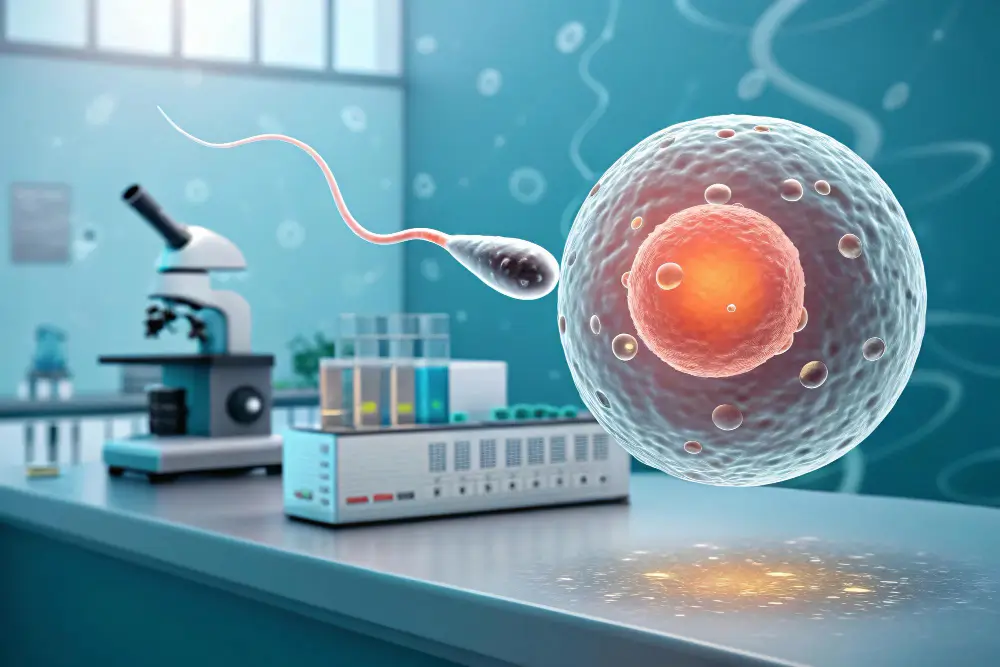
For many individuals and couples pursuing fertility treatment, assisted reproductive technologies offer new hope when natural conception becomes difficult. One important laboratory step that is often part of these treatments is sperm washing for IVF. Although the term may sound technical, the concept is fairly straightforward. Sperm washing is a process used to separate healthy sperm from the rest of the semen before it is used in procedures such as in vitro fertilization (IVF) or intrauterine insemination (IUI).
Fertility specialists use this technique to increase the chances of successful fertilization while also improving safety during reproductive procedures. Understanding when sperm washing is recommended can help intended parents feel more informed and confident as they move through the IVF treatment process.
What Is Sperm Washing?
Sperm washing is a laboratory technique that prepares a sperm sample for use in fertility treatments. During ejaculation, semen contains many components besides sperm, including proteins, enzymes, dead cells, and other substances. While these elements serve natural reproductive functions, they can interfere with assisted reproduction procedures if left in the sample.
The sperm washing process separates the healthiest and most active sperm from the surrounding seminal fluid. Technicians typically place the sperm sample in a specialized solution and spin it in a centrifuge, allowing motile sperm to be isolated from other materials. The resulting sample contains a concentrated group of strong, healthy sperm that can then be used during fertilization.
This preparation step is widely used in modern fertility treatments because it helps ensure that only the best-quality sperm are introduced during IVF or insemination procedures.
Why Sperm Washing Is Important in Fertility Treatment
Fertility treatments require a carefully controlled environment to achieve successful fertilization. Sperm washing for IVF plays an important role in improving the overall quality of the sperm sample used during these procedures.
One major benefit of sperm washing is that it removes substances from semen that could negatively affect fertilization. Certain enzymes or proteins present in seminal fluid can interfere with embryo development if they remain in the sample. Washing helps eliminate these elements before the sperm are used in the laboratory.
Another advantage is that sperm washing helps identify and isolate the most motile sperm. Motility refers to the sperm’s ability to move effectively, which is crucial for reaching and fertilizing an egg. By selecting the most active sperm cells, fertility specialists improve the likelihood of successful fertilization and embryo formation.
In addition, semen processing for IVF can reduce the presence of bacteria or contaminants that may exist in the original sample. This added level of preparation helps create a cleaner and safer environment for assisted reproductive procedures.
When Is Sperm Washing Recommended?
Sperm washing is commonly used in fertility clinics, but it is particularly recommended in certain situations. Fertility specialists may suggest this procedure based on the medical history of the intended parents or the results of fertility tests.
Male Fertility Challenges
One of the most common reasons sperm washing is used is male infertility. Some men may have lower sperm motility or a higher percentage of abnormal sperm cells. In these cases, sperm washing allows embryologists to isolate the healthiest sperm available.
By concentrating the strongest sperm cells, doctors can significantly improve the chances of successful fertilization during IVF or IUI procedures.
Use of Donor Sperm
When donor sperm is used in fertility treatment, sperm washing is typically performed before insemination. Even though donor sperm is carefully screened, washing ensures that the sample is properly prepared and optimized for fertilization.
This step is also important when procedures such as IUI with donor sperm are performed, as the sample must be carefully prepared before insemination.
HIV or Infection Risk
Sperm washing is also recommended when one partner carries certain infections, such as HIV. The washing process separates sperm cells from the seminal fluid, which is where viruses are typically found.
Studies have shown that this method can greatly reduce the risk of viral transmission during fertility treatment. As a result, many couples in which one partner is HIV-positive can pursue assisted reproduction safely under medical supervision.
IVF with ICSI
Another situation where sperm washing is important is during intracytoplasmic sperm injection (ICSI). This technique involves injecting a single sperm directly into an egg in the laboratory.
Before this step takes place, specialists perform the sperm washing procedure for IVF to help embryologists identify the healthiest sperm cell to use in the injection. This careful selection improves fertilization outcomes and helps support embryo development.
How the Sperm Washing Process Works
Although sperm washing is performed in a laboratory setting, the process itself is relatively simple and efficient. The first step involves collecting a sperm sample from the intended father or donor. This sample is then prepared for processing.
The laboratory team adds the sample to a specialized medium designed to support sperm survival. The mixture is then placed in a centrifuge, which spins the sample at high speed. During this process, healthy sperm cells separate from other elements in the semen.
After separation, the most active sperm are collected and concentrated into a new solution. The final prepared sample is then ready to be used in IVF, IUI, or other assisted reproductive techniques.
This entire process typically takes less than an hour. Still, sperm washing for IVF plays a crucial role in improving the quality of the sperm used during fertility treatments.
The Benefits of Sperm Washing for Intended Parents
For intended parents undergoing fertility treatment, sperm washing offers several important advantages. First, it increases the chances of fertilization by ensuring that the healthiest sperm are used during IVF procedures.
Second, it helps create a cleaner laboratory environment by removing potentially harmful substances from the semen sample. This supports embryo development and reduces potential complications during treatment.
Third, sperm washing can improve safety for couples with certain medical conditions, allowing them to pursue fertility treatments with greater confidence.
For many families, these benefits help make assisted reproductive treatments more effective and reassuring.
Guidance for Intended Parents
Fertility treatment often involves many medical steps and decisions, which can feel overwhelming at first. Working with experienced fertility professionals can make the process much easier to understand and manage.
Organizations like Gateway Surrogacy help intended parents coordinate with fertility clinics, navigate treatment options, and understand procedures such as sperm washing. Having knowledgeable professionals involved can provide clarity and support during each stage of the fertility journey.
In addition to medical guidance, these organizations can help intended parents explore other reproductive options, including egg donation, surrogacy, and embryo transfer.
Moving Forward with Fertility Treatment
Sperm washing is one of the many advanced techniques that have improved the success of modern fertility treatments. By preparing sperm samples carefully and selecting the healthiest sperm cells, fertility specialists can improve the chances of successful fertilization and pregnancy.
For intended parents, understanding how and when sperm washing is recommended helps make the treatment process less intimidating. With the right medical team and proper preparation, assisted reproduction can become a hopeful path toward building a family.
Families exploring these options often benefit from the support of experienced organizations such as Gateway Surrogacy, which assist with coordination and guidance throughout the fertility process. With expert care and thoughtful planning, many intended parents can move forward with renewed confidence and optimism.
For those considering fertility treatments that involve advanced techniques like sperm washing, connecting with experienced professionals, such as Gateway Surrogacy, can provide the support and resources needed to begin this important journey toward parenthood.
Final Verdict
Sperm washing is an important step in many fertility treatments, helping doctors select the healthiest sperm for procedures like IVF and IUI. By removing unwanted substances and concentrating the most active sperm cells, the process can improve fertilization chances and support safer reproductive treatments.
For intended parents exploring fertility options, understanding when sperm washing for IVF is recommended can make the treatment journey clearer and more reassuring. With the right medical guidance and support, it can play a helpful role in moving one step closer to building a family.
Start Your Fertility Journey Today
Have questions about sperm washing or other fertility treatment options? Getting the right guidance can help you understand your next steps with confidence.
- Call: 551-666-5154
- Email: info@gatewaysurrogacy.org
Reach out today to learn more about your fertility options and begin planning your path toward parenthood.
Frequently Asked Questions:-
Q. What is sperm washing in IVF?
A. Sperm washing is a laboratory technique used during fertility treatments to separate healthy sperm from semen. It is commonly performed as part of sperm washing for IVF to improve fertilization outcomes.
Q. Why is sperm washing done before IVF?
A. Doctors perform sperm washing to select the most active sperm and remove unwanted substances that may affect fertilization or embryo development.
Q. Is sperm washing safe?
A. Yes, sperm washing is a safe and widely used laboratory method performed in fertility clinics around the world.
Q. How long does the sperm washing process take?
A. The sperm washing process typically takes about 30 to 60 minutes to complete in a fertility laboratory.
Q. Can sperm washing improve IVF success?
A. Yes, by selecting healthy and motile sperm cells, sperm washing can increase the chances of successful fertilization and embryo development during fertility treatment.