
Top 10 Best Surrogate Mother Agencies for Intended Parents (2026)

Starting the surrogacy journey is one of the biggest decisions you will ever make. You want the right support, the right agency, and the right surrogate by your side. But with so many options available, it can be hard to know where to begin.

This guide breaks down what to look for when choosing a surrogacy agency — and walks you through how the process works from start to finish.

What Is a Surrogate Mother Agency?

A surrogate mother agency connects intended parents with carefully screened surrogates. A good agency handles everything — from matching and legal contracts to medical coordination and emotional support.

They take the complexity out of the process so you can focus on what matters most: building your family.

What to Look for in the Best Surrogate Mother Agencies

Not all agencies operate the same way. Before you commit, here is what separates a great agency from an average one:

Thorough surrogate screening 

Every surrogate should go through medical, psychological, and background checks before being listed.

Transparent pricing 

You should know exactly what you are paying for with no surprise fees along the way.

Strong legal support 

Contracts need to be airtight and protect everyone involved.

Ongoing emotional counseling  

Surrogacy is emotional for all parties. Good agencies provide professional support throughout.

Experienced matching specialists 

The right match is about more than medical compatibility. Values, lifestyle, and personalities matter too.

Positive track record 

Ask for references and look for verified reviews from past intended parents.

Finding a Gestational Surrogate Mother: How the Process Works

Finding a gestational surrogate mother is not something that happens overnight. It is a step-by-step process that requires patience, guidance and the right professional support.

Here is what the journey typically looks like:

Step 1 — Initial Consultation: You meet with the agency to discuss your goals, preferences and medical history. This gives them a clear picture of what you need.

Step 2 — Surrogate Screening: The agency screens each candidate through medical evaluations, background checks, and psychological assessments. Only qualified surrogates move forward.

Step 3 — Matching: This is where the egg donor matching process and surrogate matching follow similar principles. The agency looks at personality, values, lifestyle, and medical compatibility to find the best fit for your family.

Step 4 — Legal Agreements: Once a match is made, legal contracts are drafted by a qualified surrogacy attorney. This step protects both the intended parents and the surrogate.

Step 5 — Medical Procedures and Pregnancy: After contracts are signed, the IVF or embryo transfer process begins. The surrogate carries the pregnancy while the agency continues to provide support all the way to delivery.

How to Find a Surrogate Mother: Questions to Ask Before You Choose an Agency

When you are ready to find a surrogate mother, the agency you choose will shape the entire experience.

Ask these questions before signing anything:

  • How long has the agency been operating?
  • What does your surrogate screening process include?
  • How long does matching typically take?
  • What legal support is included?
  • How do you handle complications or unexpected situations?
  • What is and is not included in your fees?

A trustworthy agency will answer every one of these questions clearly and without hesitation.

Why Gateway Surrogacy Stands Out

Based in Marlton, New Jersey, our team has personal experience with the surrogacy journey — which is why we approach every case with genuine care and commitment.

We offer:

  • Surrogate matchups for the parents-to-be throughout the U.S.
  • A comprehensive egg donor program that has an extensive egg donor matching process.
  • Medical and legal coordination with trusted experts
  • Support for emotional well-being and counseling at all times
  • Service for couples who are gay or single parents, as well as families from abroad

10 Best Surrogate Mother Agencies for Intended Parents 

1. Gateway Surrogacy (New Jersey)

A caring, knowledgeable agency with a personal approach to domestic and international parents who are planning to adopt.

2. Surrogacy4All

A New York-based agency known for affordable surrogacy programs, flexible options and strong support for diverse families, including LGBTQ+ and international intended parents.

3. ConceiveAbilities 

Provides a vast surrogate database and solid matchmaking tools for parents who are planning to adopt across the nation.

4. Growing Generations 

One of the most established agencies in the U.S., with decades of experience serving diverse family types.

5. Surrogate Alternatives 

A California-based company with the most selective screening procedure and high results.

6. West Coast Surrogacy 

Awarded for its clear communications and fair compensation plans, and a well-organized workflow from beginning to end.

7. Reproductive Possibilities 

A New Jersey agency with a friendly, family-centered approach to every surrogacy experience.

8. Family Creations 

Rated consistently highly by both intended and surrogate parents for its ethical and transparent methods.

9. SurroGenesis 

A full-service agency that assists in egg donor, embryo transfer and gestational surrogacy all under the same single roof.

10. The Surrogacy Agency 

Nationally recognized with a large network of pre-screened surrogates and offices across the country.

Frequently Asked Questions – 

Q. Is Cancun a reliable option for surrogacy for intended parents?

A. Many potential parents look into international programs due to the cost advantages. Surrogacy options like Cancun provide experienced clinics and organized programs; however, legal clarity is crucial.

Q. What should you check before choosing an international surrogacy program?

A. Focus on legal safety, clinic standards and agency support. Popular choices such as surrogacy in Cancun can differ by region, so proper guidance matters.

Q. How is sperm prepared during IVF or surrogacy treatments?

A. Clinics follow a lab process where sperm is washed to separate healthy sperm and improve fertilization chances.

Q. Is sperm preparation necessary in every fertility case?

A. Not always required, but doctors often recommend washing of sperm to enhance safety and success rates in IVF or IUI.

Q. Can intended parents choose the baby’s gender through IVF?

A. With advanced techniques, embryos can be tested before transfer. This allows options like IVF gender selection in certain cases.

Q. Is gender selection through IVF legal and safe?

A. While medically safe, laws vary by country. Services like IVF gender selection are allowed in some regions but restricted in others.

Ready to Start Your Surrogacy Journey?

Choosing the right agency is the first and most important step. At Gateway Surrogacy, we treat every family with the care and respect they deserve.

We are here to walk you through every stage — from your very first consultation to the moment you welcome your child.

How to Find an Egg Donor — The Ultimate Guide for Intended Parents

Beginning your path towards becoming parents may be among the most significant decisions that you will ever take in your life. The search for the perfect egg donor profile is the primary thing to consider if you wish to have a baby.

It can be quite daunting for you initially, as you will have to consider numerous aspects before finally making up your mind. Nevertheless, with proper direction, this whole procedure will be easy for you.

In this guide, you will learn everything about finding an egg donor.

What Is Egg Donation and Who Needs It?

Egg donation is where a woman provides eggs for use in helping another individual or couple conceive.

It is commonly used by:

  • Women are unable to produce viable eggs
  • Male couples assisted by a gestational carrier
  • Intended parents who have experienced repeated IVF failure
  • Individuals with certain genetic disorders prefer not to be passed on to their offspring

Step 1 — Intended Parents Should Understand Their Options First

There are two main routes to finding an egg donor.

Through an Egg Donor Agency Agencies manage the entire matching process. They screen donors, handle paperwork, coordinate medical appointments, and guide intended parents step by step. This is the most supported and structured option.

With a credible agency for donor matching, rest assured that all the donors have gone through rigorous medical screening, psychological evaluation, and legal clearance before their profiles are made available to you.

Egg banking involves frozen eggs, which come from previously screened donors whose eggs were collected and frozen. This option is faster and often more affordable — though it offers less opportunity for a personalised match.

Step 2 — Know the Egg Donation Requirements

Before beginning your search, it helps to understand what egg donors go through to qualify.

Egg donation requirements are rigorous for good reason. A thorough screening process protects both the donor and the intended parents.

Typical requirements include:

  • Age between 21 and 29 years
  • Good physical and mental health
  • No significant hereditary medical conditions
  • Non-smoker with no history of substance use
  • Willingness to undergo psychological evaluation
  • Completion of all required medical screenings

Understanding these standards helps intended parents feel confident in the quality and health of every donor profile they review.

Step 3 — Know What to Look for in a Donor Profile

Donor profiles include an abundance of information. Profiles can include information regarding physical appearance, educational qualifications, personal interests, medical history, along with childhood and adult pictures of the donor.

Here are some factors you should consider when reviewing profiles:

Medical History: The most important consideration is the donor’s family medical history and genetic tests, which have to be positive. If there are any genetic disorders, those should be addressed with the fertility specialist.

Personal History: It is expected that parents would like their donor to have the same personal interests and values, but the personality of the donor cannot be overlooked, either.

Reasons to Donate: A person who donates for the right reasons will be a better partner throughout the process.

Availability: If you have decided on an egg donation cycle from scratch, then it makes sense to consider the availability of the donor.

Step 4 — The Egg Donor Matching Process Explained

Upon identifying a donor with whom you connect, the process of donor matching starts.

There are usually four steps involved in the egg donor matching process as follows:

Medical Screening 

The fertility center would check the medical records of the donor and conduct more tests to ensure that there is compatibility between you both.

Legal Agreements 

Both donor and recipient sign legal documents even before any medical procedures take place.

Psychological Evaluation 

This ensures that the donor is mentally prepared for the process of egg donation.

Synchronisation and Cycle Preparation 

For fresh donations, the donor’s cycle is synchronised with the recipient’s. For frozen donations, eggs are thawed and prepared for fertilisation when the recipient is ready.

Fertilisation and Transfer 

Eggs are fertilised using the intended father’s sperm or donor sperm. The resulting embryos are then transferred — either to the intended mother or a gestational surrogate.

When Intended Parents Need Both an Egg Donor and a Surrogate

There are some instances where the intended parent will require both an egg donor and a gestational surrogate mother. Such a situation usually happens with gay male couples or single women who have medical complications that prevent them from carrying the child.

The process of finding a gestational surrogate mother along with an egg donor may seem difficult, but this whole procedure becomes easy when there is a professional agency handling both these procedures.

If you reside in New Jersey or its neighboring areas, then you will find professionals who are ready to assist you with your entire process, including egg donation, surrogacy arrangement, and so forth.

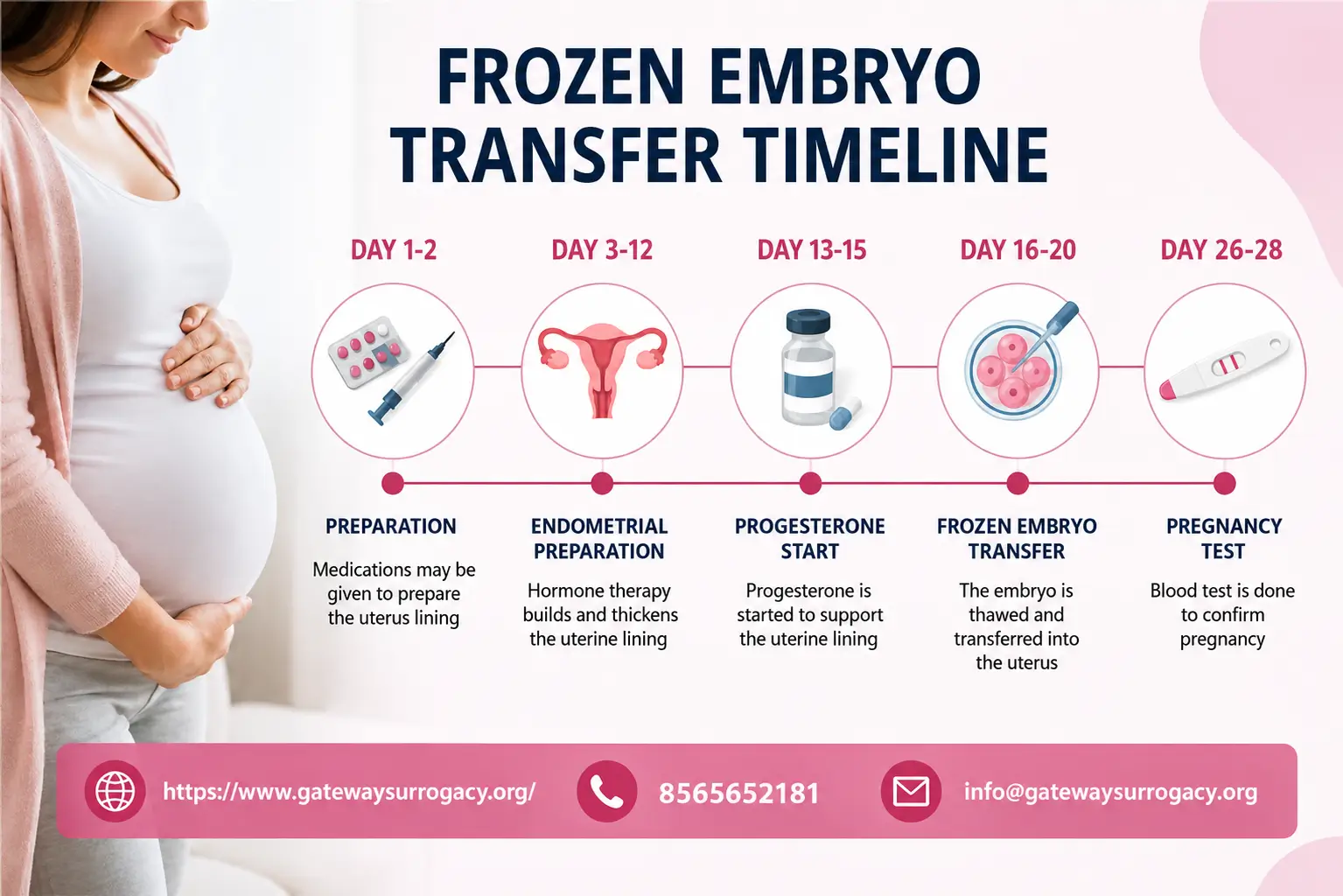
Frozen Embryo Transfer — What Happens Next

Once the eggs have been fertilized and embryos created, most intended parents go ahead with a frozen embryo transfer.

The frozen embryo transfer process entails cryopreservation of the embryos and then transferring them when the body is well-prepared for the procedure. The technique guarantees better results because it provides the opportunity for the uterus to be in optimal condition for the pregnancy.

The frozen embryo transfer cycle takes between four and six weeks from the preparation phase until the day of transfer. You will be assisted by your fertility specialists throughout the process.

Frozen embryo transfer statistics have steadily increased with the improvement in freezing techniques, making it easier for intended parents to become optimistic.

IVF and Costs — What to Expect in New Jersey

Financial knowledge will make it easier to prepare.

When searching for IVF clinics in New Jersey, remember that prices will differ according to the center, the specific protocol followed, and the use of donor eggs. Further expenses might include payment to a donor, legal fees, agency fees, and medications.

Make sure to ask for an itemized price list in advance, so that no unpleasant surprises occur later on.

Common Questions Intended Parents Ask

How long does it take to find an egg donor? 

Timelines differ. Via the agency, it usually takes four to eight weeks to find a match, depending on your choices and the availability of the egg donor. Frozen egg banks are known for their faster turnaround.

Can I meet the egg donor? 

That is determined by the agency and the donor’s own choice. Some are willing to be contacted or revealed, while others would like to remain anonymous. The agency will discuss what is possible.

What if I don’t connect with any profiles? 

No problem. Donor profiles are regularly refreshed, and your coordinator may also assist in your search according to particular criteria.

Is egg donation legal in New Jersey? 

Yes. Egg donation is legal and regulated in New Jersey. By working with an authorized agency, you can be sure that all legal aspects will be properly covered.

What happens to unused embryos? 

It is essential that you discuss this topic with your fertility specialists. Extra embryos can either remain frozen indefinitely, be donated to another family, be used for research, or be destroyed.

Frequently Asked Questions

Q. What is the first step to finding an egg donor? 

Ans. Your first step should be to consult a fertility expert or contact an egg donor agency. They can provide you with information about the process and guide you in the process of selecting a donor profile.

Q. How are egg donors screened? 

Ans. Extensive screening takes place to assess the medical, psychological, and genetic health of egg donors. This screening involves numerous blood tests, genetic testing, physical examinations, and psychological assessments done by licensed professionals.

Q. Can I choose a donor based on physical appearance? 

Ans. Yes. Donor profiles include physical characteristics such as height, eye colour, hair colour, and skin tone. Many profiles also include photos to help intended parents feel more connected to their choice.

Q. What is the difference between fresh and frozen egg donation? 

Ans. Fresh donation involves synchronising cycles with the donor for a live retrieval. Frozen donation uses pre-retrieved and stored eggs. Frozen is faster and more flexible — fresh allows for a more personalised cycle.

Q. Do egg donors have any legal rights to the child? 

Ans. No, because there are legal documents prepared prior to egg donation stating that the egg donor has no rights or duties as a parent.

Q. How does egg donation work with a gestational surrogate? 

Ans. The egg is fertilized and implanted into the surrogate, who then bears the pregnancy without being biologically related to the child.

Q. How much does egg donation cost in New Jersey? 

Ans. The costs depend on whether an egg agency is being used, whether your eggs are fresh or frozen, and how much coordination is needed. The agency/clinic will give you a detailed estimate of the cost prior to making any commitments.

Q. How do I know I am working with a trustworthy agency? 

Ans. Agencies that have been established for some time, that are very transparent about their operations, that are clear about their legal policies, and that truly stand by you during this process are likely to be reputable agencies.

Conclusion

Looking for the right egg donor is not going to be an easy task for you. However, it does need a little bit of work on your part. More than anything else, you must have the right guidance throughout this process.

Regardless of whether you are just starting to think about using egg donors or are ready to begin looking through egg donor profiles, having expert guidance will help you out tremendously.

At Gateway Surrogacy, our professionals will be happy to assist you in all the phases involved in finding the best egg donor for you. We will discuss everything from egg donor eligibility criteria to frozen embryo transfer.

Call: +1 856 565 2181 

Email: info@gatewaysurrogacy.org

Reach out today and take your first step toward the family you have always dreamed of.

Understanding the Frozen Embryo Transfer Process

Frozen Embryo Transfer (FET) is an important step in assisted reproduction. It gives many individuals and couples a real chance to achieve pregnancy. If you are planning this treatment, the Frozen Embryo Transfer Process can make the journey easier and less stressful when you know each stage involved.

This guide will walk you through the process in simple terms while helping you understand frozen embryo transfer steps, the embryo transfer procedure IVF, and what you may experience along the way.

What Is Frozen Embryo Transfer?

Frozen Embryo Transfer is a procedure where a previously frozen embryo is thawed and placed into the uterus.

These embryos are created during an earlier IVF cycle. Instead of transferring them immediately, they are frozen for future use. This allows better timing and improves the chances of implantation in many cases.

Why Choose Frozen Embryo Transfer?

There are several reasons why doctors recommend FET:

  • The body gets time to recover after egg retrieval
  • Hormone levels can return to normal
  • The uterus can be better prepared
  • It may improve success rates

This method is now widely used in modern fertility treatments.

Preparation for Frozen Embryo Transfer

Proper preparation for frozen embryo transfer is one of the most important parts of the process. A well-prepared body increases the chances of success.

1. Uterine Lining Preparation

The uterine lining must be thick and healthy. Hormone medications like estrogen and progesterone are used to prepare it.

These hormones help create the right environment for the embryo to attach.

2. Monitoring and Tests

Doctors monitor your progress through:

  • Ultrasound scans
  • Blood tests

This ensures that everything is perfectly timed.

3. Healthy Lifestyle Choices

Simple lifestyle habits can support your body:

  • Eat fresh and balanced meals
  • Avoid smoking and alcohol
  • Stay relaxed and well-rested

These small steps support overall fertility health.

Frozen Embryo Transfer Steps

Understanding the frozen embryo transfer steps can help reduce anxiety and make you feel more prepared.

Step 1: Thawing the Embryo

The frozen embryo is carefully thawed in a lab. Advanced techniques make this process safe and effective.

Most embryos survive the thawing process successfully.

Step 2: Embryo Assessment

After thawing, specialists check the quality of the embryo. Only healthy embryos are selected for transfer.

Step 3: The Embryo Transfer Procedure IVF

The embryo transfer procedure IVF is simple and quick.

  • A thin, soft catheter is used
  • The embryo is gently placed inside the uterus
  • The procedure usually takes a few minutes

It is not a surgical process and is generally painless.

Step 4: Short Rest Period

After the procedure, you may rest for a short time. Full bed rest is not required.

Most people return to normal routine activities with minor precautions.

What to Expect During Frozen Embryo Transfer

Knowing what to expect during frozen embryo transfer can help you feel calm and prepared.

Here’s what typically happens:

  • The procedure is done at a fertility clinic
  • No anesthesia is usually needed
  • It takes about 15–20 minutes
  • You can go home the same day

You might feel slight discomfort or mild cramping, which is normal.

After the Transfer: The Waiting Period

After the procedure, there is a waiting period of around 10 to 14 days. This phase can feel long and emotional.

During this time:

  • Continue all prescribed medications
  • Avoid heavy physical activity
  • Focus on staying calm

A pregnancy test will confirm the result after this period.

Signs of Successful Embryo Transfer

Many people look for signs of successful embryo transfer during the waiting period.

Some possible signs include:

  • Mild cramping
  • Light spotting
  • Breast tenderness
  • Feeling tired

However, not having symptoms does not mean the procedure failed. The only confirmed result comes from a pregnancy test.

Tips to Improve Success

While not everything is in your control, certain habits can support better outcomes:

Follow Instructions Carefully

Take all medications exactly as prescribed.

Eat Nutritious Food

Healthy meals support your body during this phase.

Stay Stress-Free

Try meditation, light walks, or relaxing activities.

Avoid Heavy Activity

Do not lift heavy items or overexert yourself.

Benefits of Frozen Embryo Transfer

FET has several advantages:

  • Better control over timing
  • Less stress on the body
  • Improved uterine environment
  • High success rates in many cases

It is considered a safe and effective fertility treatment.

Possible Risks

Frozen Embryo Transfer is generally very safe. However, minor side effects may include:

  • Light spotting
  • Mild cramps
  • Rare infections

Serious complications are uncommon.

Emotional Well-Being

The journey can feel overwhelming at times. Emotional support is very important.

You can:

  • Talk openly with your partner
  • Seek expert guidance
  • Join support groups

Having the right support system makes a big difference.

When to Contact a Doctor

Reach out to your doctor if you notice:

  • Severe pain
  • Heavy bleeding
  • Fever
  • Any unusual symptoms

Quick action helps ensure safety.

Final Thoughts

Frozen Embryo Transfer is a key step in the IVF journey. By understanding the frozen embryo transfer steps, focusing on proper preparation for frozen embryo transfer, and knowing what to expect during frozen embryo transfer, you can approach the process with more confidence.

If you are planning fertility treatment and need expert guidance, trusted providers like Gateway Surrogacy can support you throughout the journey. For personalized assistance, you can reach out at 8565652181 and get the care and clarity you need for your next step toward parenthood.

FAQs

Q. What is the frozen embryo transfer process?

The frozen embryo transfer process includes preparing the uterus, thawing the embryo, and placing it into the uterus. The frozen embryo transfer timeline usually takes a few weeks, with results confirmed after 10–14 days.

Q. What is the frozen embryo transfer success rate?

The frozen embryo transfer success rate depends on age and embryo quality. In many cases, it is equal to or higher than fresh IVF cycles.

Q. How does the egg donor matching process work?

The egg donor matching process helps you find an egg donor based on health, genetics, and preferences. Donors are fully screened for safety.

Q. How can I find surrogate mother?

To find surrogate mother, it’s best to work with trusted agencies. They help with screening, matching, and legal steps, especially for surrogate mother NJ cases.

Q. What is sperm washing for IVF?

Sperm washing for IVF is a lab process that selects healthy sperm. The sperm washing procedure for IUI improves chances of fertilization.

Q. Is IVF gender selection possible?

Yes, IVF gender selection (also called in vitro fertilization gender selection) is possible using advanced embryo testing methods.

Q. How much is IVF in New Jersey?

If you’re asking how much is IVF in New Jersey, the cost varies by clinic. A good IVF clinic in New Jersey can provide exact pricing based on your case.

Q. What is the cost of egg freezing in New Jersey?

The cost of egg freezing in New Jersey depends on the clinic and cycle. An egg freezing clinic in NJ can guide you on how much is egg freezing.

How Donor Eggs Work – Simple Guide to Egg Donation

Becoming a parent can be one of life’s most beautiful journeys — but for many people, natural conception isn’t always straightforward. Thanks to advances in reproductive medicine, egg donation has opened a heartfelt door for those whose own eggs may not be viable due to age, medical conditions, or other fertility challenges. If you’ve ever wondered how donor eggs work, this guide will walk you through the process step by step in a simple, compassionate way.

What Is Egg Donation?

At its core, egg donation (also called ova donation) is a medical process in which a healthy woman, called an egg donor, donates her eggs to another person who wishes to build a family. These eggs are used in fertility treatments — most commonly In Vitro Fertilization (IVF) — where they’re fertilized with sperm in a lab and later transferred as embryos into the uterus of the recipient (or a gestational surrogate).

This beautiful act can help single individuals, couples facing infertility, and LGBTQ+ families who might otherwise not have the opportunity to experience pregnancy and parenthood.

Why Do People Choose Donor Eggs?

People pursue egg donation for a variety of deeply personal reasons:

  • Age-related fertility decline — as women get older, the number and quality of eggs naturally decrease.
  • Poor egg quality or ovarian failure, where the ovaries aren’t producing healthy eggs.
  • Genetic concerns where intended parents wish to avoid passing on certain conditions.
  • Repeated unsuccessful IVF attempts using the intended mother’s eggs.
  • Family-building for single fathers or male couples using surrogacy or IUI with donor sperm.

For many, using donor eggs significantly improves the chances of achieving a successful pregnancy and a healthy baby.

How Donor Eggs Work: Step‑By‑Step

Understanding the process helps demystify what can initially seem complex. Let’s break down the journey from start to finish.

1. Choosing a Donor

First, the intended parents or recipient meet with a fertility clinic or agency. They’ll review profiles of potential donors to find an egg donor who matches their preferences in physical traits, health history, and emotional readiness. Many clinics work with comprehensive databases of screened donors.

Well-established programs like Gateway Surrogacy also provide personalized support through the egg donor matching process, helping hopeful parents select a donor who feels right for them.

2. Screening and Evaluation

Once a donor is selected, she undergoes a detailed screening process. This usually includes:

  • Physical and gynecological exams
  • Hormone and blood tests
  • Infectious disease screening
  • Psychological evaluation
  • Medical and family history review

These steps help ensure the eggs meet all egg donation requirements and that the donor is physically and emotionally ready to participate.

3. Medical Preparation (Ovarian Stimulation)

Naturally, women typically release one egg per menstrual cycle — but for donation, donors are given hormone injections over about 10–12 days to stimulate their ovaries to mature multiple eggs at once. These medications are carefully monitored with blood tests and ultrasounds to track progress.

This phase is crucial: the more mature eggs collected, the higher the odds of creating healthy embryos for transfer or freezing as part of a frozen embryo transfer process.

4. Egg Retrieval Procedure

When the eggs are mature, a minor surgical procedure called egg retrieval is performed under light sedation. Using ultrasound guidance, a specialist uses a thin needle to collect the eggs from the ovaries. This part typically takes about 15–20 minutes, and most donors return home the same day.

5. Fertilization in the Lab (IVF)

Back in the lab, the retrieved eggs are combined with sperm — either from the intended father or a sperm donor and insemination — using IVF. Fertilization creates embryos that grow under careful observation for several days before selection.

6. Embryo Transfer and Pregnancy

One or more viable embryos are selected for embryo transfer into the recipient’s uterus or that of a surrogate. The recipient’s uterine lining is prepared in advance with hormones so it’s ready to support implantation. After transfer, doctors monitor for pregnancy through blood tests and ultrasounds.

Healthy embryos that aren’t used immediately can be frozen for future attempts.

What Happens After?

Once the embryo is implanted and pregnancy is confirmed, the process continues just like any other pregnancy. Regular prenatal care and emotional support are important for the health of both the parent and baby.

For donors, follow-up care includes rest, hydration, and a short recovery period from the retrieval procedure. Doctors typically provide guidance on managing mild discomforts like bloating or cramping.

Legal and Emotional Considerations

Egg donation isn’t just medical — it’s emotional and legal too. Before any procedure begins, everyone involved signs agreements that clearly define:

  • Parental rights and responsibilities
  • Whether the donor will be anonymous or known
  • Exchange of medical or genetic information
  • Compensation or reimbursement terms (in places where allowed)

These contracts protect both donors and recipients and set expectations from the start.

Emotionally, both donors and recipients benefit from counseling and support. For the donor, it can be profoundly meaningful to help someone grow their family. At the same time, recipients may find comfort in knowing they are moving toward a dream they’ve held for a long time.

Final Thoughts

Egg donation is a remarkable bridge between science and hope. It combines advanced reproductive technology with deep compassion, opening paths to parenthood that once seemed out of reach.

Whether you’re considering becoming a donor or thinking about using donor eggs on your own journey, understanding how the process works can empower you with clarity and confidence. And when you’re ready, working with trusted programs — like Gateway Surrogacy — can make the road feel smoother, supported, and truly hopeful.

Remember, every path to parenthood is unique, and every step you take brings you closer to your dream.

Ready to Begin Your Journey to Parenthood?

Take the first step with Gateway Surrogacy today. Speak with our caring team to learn more about egg donation and how we can support your family-building journey.

Your dream of parenthood is just a call or click away.

Frequently Asked Questions (FAQs)

Q. What is egg donation, and who can benefit from it?

Ans. Egg donation is a process where a healthy woman donates her eggs to someone who cannot use their own. It helps women with fertility challenges, older parents, or families using surrogacy achieve pregnancy. Individuals in New Jersey can also explore egg donation requirements NJ to ensure eligibility and smooth participation.

Q. How are egg donors selected?

Ans. Donors undergo thorough medical, genetic, and psychological screenings. Agencies like Gateway Surrogacy also provide detailed profiles, allowing recipients to find an egg donor based on traits, health history, and personal preferences.

Q. What does the egg donation process involve?

Ans. The process includes donor matching, ovarian stimulation with hormone injections, egg retrieval, IVF fertilization, and embryo transfer into the recipient or surrogate. Fertility specialists closely monitor each step to ensure the best possible outcomes.

Q. Is egg donation safe for the donor?

Ans. Yes. Egg donation is generally safe when conducted under professional medical supervision. Donors are monitored throughout stimulation and retrieval, and follow-up care ensures recovery is smooth.

Q. How long does it take to see results from egg donation?

Ans. From donor selection to embryo transfer, the process typically takes a few weeks. Pregnancy confirmation is done via blood tests and ultrasounds after embryo transfer, similar to any IVF procedure.

How Successful Is IUI with Donor Sperm? Find Out Here

For those struggling with fertility, ovulation intrauterine insemination (IUI) with donor sperm is a promising option. It is important to look into the various steps within the IUI procedure, as well as understand the donor sperm IUI success rate. We aim to provide you with success rates, a breakdown of the IUI procedure, and ways to improve your chances of success below.

What Is IUI with Donor Sperm?

IUI with donor sperm is the process of the donor sperm being placed directly into the uterus, coinciding with ovulation to maximize the likelihood of fertilization. It is a more affordable and less invasive procedure than in vitro fertilization (IVF). The donors of the sperm are extensively screened for all conditions, both infectious and genetic, and their overall health. Safety and quality for all processes are taken very seriously.

IUI with donor sperm is a process with a very popular inquiry: what is the success rate? The success rates of IUI are varied, and rely on extensive criteria.

  • Recipient age
  • General reproductive health
  • Quality of donor sperm
  • Total number of IUI cycles performed

The success rates of IUI typically fall between 10-20% with each cycle. Generally, the younger the recipient and the better their reproductive health, the better the success rate. Increasing the number of cycles performed is necessary in some cases to improve success rates.

The Process of Donor Sperm Insemination

A critical part of any IUI is identifying the right sperm donor which means many recipients seek sperm donors in New Jersey for ease and compliance. Donor searches include mental and physical health, infectious diseases, and genetics.

The sperm donation and insemination process consists of collection, freezing, preparation, and (eventual) insertion of the sperm. All clinics focus on ensuring the sperm is of high viability; ensuring the sperm is healthy makes fertilization more likely.

Sperm Washing Procedure for IUI

The sperm washing procedure for IUI occurs prior to insemination. The purpose of this is to obtain motile sperm, free of non-motile sperm and seminal fluid which ultimately improves the odds of fertilization. Less seminal fluid means an overall reduced risk of infection. This means that the best sperm motility is ensured post washing, thus washing sperm is very important for improving the overall success rate of insemination using donor sperm.

What affects success?

A number of factors can precipitate the goal of conception of a sperm donor. These include:

  • Recipient age – For example, younger women more likely become pregnant.
  • Impedence in uterine health—it is important that the uterine lining is healthy as this facilitates the implantation of a fertilized egg.
  • The quality of the sperm – The likelihood of fertilization is increased with a more highly screened donor.
  • The timing of the procedure – Is the egg being released from the ovary at the time of insemination?
  • The number of cycles of IUI – Sometimes this is a process that takes several cycles of IUI.

In addressing all the above factors, it is most likely that success will be achieved.

How do I find a sperm donor?

  • There are countless considerations to keep in mind, such as:
  • Availability of the donor’s health screening and genetic
  • Compatibility of the donor for the recipient
  • Clinic reputation
  • Support from the clinic
  • Donor quality is a bigger factor in contracting a donor than anything else.

Benefits of Using Donor Sperm for IUI

  • Using donor sperm has many positive results, such as:
  • Faster chances of getting pregnant for single women or same-sex couples
  • Sperm has been genetically screened for health
  • The process is less invasive and more affordable than IVF
  • IUI is a more controlled and monitored process
  • All of these advantages lead to a smoother experience with higher success rates.

Ways to Increase Chances of Success for IUI

  • To increase your chances of IUI with donor sperm, you should:
  • Follow specific advice and track your ovulation
  • Stay healthy by exercising and eating well
  • Use clinics that are certified and have a good track record
  • Be psychologically prepared for multiple attempts
  • Taking these steps should increase your chances of getting pregnant as well as improve your overall experience.

In Summary

Intrauterine insemination with donor sperm IUI is a good, effective, and safe step to take for single women or same-sex couples who are attempting to conceive.  Knowing the steps that have to be taken as well as the characteristics of a good sperm donor and possible attending clinics all contribute to a more positive outcome.

If you are looking for qualified professionals to help you with insemination, matched donor sperm, and anything else in the process, you should reach out to Gateway Surrogacy by calling 8565652181. Their services are safe, and maintain your privacy while making sure to help you reach your goal of becoming a parent.

Frequently Asked Questions

Q. What are the success rates of IUI with donor sperm?

A. There is an explanation of the average conception rates, cycle success statistics, and other influencing factors.

Q. What are the important factors in choosing a sperm donor?

A. Health screening of the donor, genetics, traits the donor possesses, and who you should contact to find a sperm donor.

Q. What is the process of sperm washing for IUI?

A. The advantages and reasons for washing the sperm and the impact this has on the process.

Q. How many IUI cycles should I try with donor sperm?

A. Explains medical and statistical considerations when contemplating multiple cycles.

Q. Is IUI with donor sperm appropriate for single women and same-sex couples?

A. Offers insights on rights and options regarding various family-building aspects.

Q. How does a sperm donor get matched for IUI?

A. Includes considerations for donor sperm NJ regulations, and matching, and genetic system and clinic protocols.

Q. Does age impact IUI with donor sperm success?

A. Analyzes age of recipient and general health and fertility status, and their impact on success rates.

Q. What are the potential complications of IUI with donor sperm?

A. Details risks that clinics take to ensure the minor risks and potential problems are limited.

Q. Can IUI success be influenced by lifestyle?

A. Outlines dietary, physical, and mental recommendations to improve the success of the IUI.

Q. What are the timelines for IUI cycles?

A. Talks about results of testing, implantation, and confirming of pregnancy after IUI.

When Is Sperm Washing for IVF Recommended for Fertility Treatment?

For many individuals and couples pursuing fertility treatment, assisted reproductive technologies offer new hope when natural conception becomes difficult. One important laboratory step that is often part of these treatments is sperm washing for IVF. Although the term may sound technical, the concept is fairly straightforward. Sperm washing is a process used to separate healthy sperm from the rest of the semen before it is used in procedures such as in vitro fertilization (IVF) or intrauterine insemination (IUI).

Fertility specialists use this technique to increase the chances of successful fertilization while also improving safety during reproductive procedures. Understanding when sperm washing is recommended can help intended parents feel more informed and confident as they move through the IVF treatment process.

What Is Sperm Washing?

Sperm washing is a laboratory technique that prepares a sperm sample for use in fertility treatments. During ejaculation, semen contains many components besides sperm, including proteins, enzymes, dead cells, and other substances. While these elements serve natural reproductive functions, they can interfere with assisted reproduction procedures if left in the sample.

The sperm washing process separates the healthiest and most active sperm from the surrounding seminal fluid. Technicians typically place the sperm sample in a specialized solution and spin it in a centrifuge, allowing motile sperm to be isolated from other materials. The resulting sample contains a concentrated group of strong, healthy sperm that can then be used during fertilization.

This preparation step is widely used in modern fertility treatments because it helps ensure that only the best-quality sperm are introduced during IVF or insemination procedures.

Why Sperm Washing Is Important in Fertility Treatment

Fertility treatments require a carefully controlled environment to achieve successful fertilization. Sperm washing for IVF plays an important role in improving the overall quality of the sperm sample used during these procedures.

One major benefit of sperm washing is that it removes substances from semen that could negatively affect fertilization. Certain enzymes or proteins present in seminal fluid can interfere with embryo development if they remain in the sample. Washing helps eliminate these elements before the sperm are used in the laboratory.

Another advantage is that sperm washing helps identify and isolate the most motile sperm. Motility refers to the sperm’s ability to move effectively, which is crucial for reaching and fertilizing an egg. By selecting the most active sperm cells, fertility specialists improve the likelihood of successful fertilization and embryo formation.

In addition, semen processing for IVF can reduce the presence of bacteria or contaminants that may exist in the original sample. This added level of preparation helps create a cleaner and safer environment for assisted reproductive procedures.

When Is Sperm Washing Recommended?

Sperm washing is commonly used in fertility clinics, but it is particularly recommended in certain situations. Fertility specialists may suggest this procedure based on the medical history of the intended parents or the results of fertility tests.

Male Fertility Challenges

One of the most common reasons sperm washing is used is male infertility. Some men may have lower sperm motility or a higher percentage of abnormal sperm cells. In these cases, sperm washing allows embryologists to isolate the healthiest sperm available.

By concentrating the strongest sperm cells, doctors can significantly improve the chances of successful fertilization during IVF or IUI procedures.

Use of Donor Sperm

When donor sperm is used in fertility treatment, sperm washing is typically performed before insemination. Even though donor sperm is carefully screened, washing ensures that the sample is properly prepared and optimized for fertilization.

This step is also important when procedures such as IUI with donor sperm are performed, as the sample must be carefully prepared before insemination.

HIV or Infection Risk

Sperm washing is also recommended when one partner carries certain infections, such as HIV. The washing process separates sperm cells from the seminal fluid, which is where viruses are typically found.

Studies have shown that this method can greatly reduce the risk of viral transmission during fertility treatment. As a result, many couples in which one partner is HIV-positive can pursue assisted reproduction safely under medical supervision.

IVF with ICSI

Another situation where sperm washing is important is during intracytoplasmic sperm injection (ICSI). This technique involves injecting a single sperm directly into an egg in the laboratory.

Before this step takes place, specialists perform the sperm washing procedure for IVF to help embryologists identify the healthiest sperm cell to use in the injection. This careful selection improves fertilization outcomes and helps support embryo development.

How the Sperm Washing Process Works

Although sperm washing is performed in a laboratory setting, the process itself is relatively simple and efficient. The first step involves collecting a sperm sample from the intended father or donor. This sample is then prepared for processing.

The laboratory team adds the sample to a specialized medium designed to support sperm survival. The mixture is then placed in a centrifuge, which spins the sample at high speed. During this process, healthy sperm cells separate from other elements in the semen.

After separation, the most active sperm are collected and concentrated into a new solution. The final prepared sample is then ready to be used in IVF, IUI, or other assisted reproductive techniques.

This entire process typically takes less than an hour. Still, sperm washing for IVF plays a crucial role in improving the quality of the sperm used during fertility treatments.

The Benefits of Sperm Washing for Intended Parents

For intended parents undergoing fertility treatment, sperm washing offers several important advantages. First, it increases the chances of fertilization by ensuring that the healthiest sperm are used during IVF procedures.

Second, it helps create a cleaner laboratory environment by removing potentially harmful substances from the semen sample. This supports embryo development and reduces potential complications during treatment.

Third, sperm washing can improve safety for couples with certain medical conditions, allowing them to pursue fertility treatments with greater confidence.

For many families, these benefits help make assisted reproductive treatments more effective and reassuring.

Guidance for Intended Parents

Fertility treatment often involves many medical steps and decisions, which can feel overwhelming at first. Working with experienced fertility professionals can make the process much easier to understand and manage.

Organizations like Gateway Surrogacy help intended parents coordinate with fertility clinics, navigate treatment options, and understand procedures such as sperm washing. Having knowledgeable professionals involved can provide clarity and support during each stage of the fertility journey.

In addition to medical guidance, these organizations can help intended parents explore other reproductive options, including egg donation, surrogacy, and embryo transfer.

Moving Forward with Fertility Treatment

Sperm washing is one of the many advanced techniques that have improved the success of modern fertility treatments. By preparing sperm samples carefully and selecting the healthiest sperm cells, fertility specialists can improve the chances of successful fertilization and pregnancy.

For intended parents, understanding how and when sperm washing is recommended helps make the treatment process less intimidating. With the right medical team and proper preparation, assisted reproduction can become a hopeful path toward building a family.

Families exploring these options often benefit from the support of experienced organizations such as Gateway Surrogacy, which assist with coordination and guidance throughout the fertility process. With expert care and thoughtful planning, many intended parents can move forward with renewed confidence and optimism.

For those considering fertility treatments that involve advanced techniques like sperm washing, connecting with experienced professionals, such as Gateway Surrogacy, can provide the support and resources needed to begin this important journey toward parenthood.

Final Verdict

Sperm washing is an important step in many fertility treatments, helping doctors select the healthiest sperm for procedures like IVF and IUI. By removing unwanted substances and concentrating the most active sperm cells, the process can improve fertilization chances and support safer reproductive treatments.

For intended parents exploring fertility options, understanding when sperm washing for IVF is recommended can make the treatment journey clearer and more reassuring. With the right medical guidance and support, it can play a helpful role in moving one step closer to building a family.

Start Your Fertility Journey Today

Have questions about sperm washing or other fertility treatment options? Getting the right guidance can help you understand your next steps with confidence.

Reach out today to learn more about your fertility options and begin planning your path toward parenthood.

Frequently Asked Questions:- 

Q. What is sperm washing in IVF?

A. Sperm washing is a laboratory technique used during fertility treatments to separate healthy sperm from semen. It is commonly performed as part of sperm washing for IVF to improve fertilization outcomes.

Q. Why is sperm washing done before IVF?

A. Doctors perform sperm washing to select the most active sperm and remove unwanted substances that may affect fertilization or embryo development.

Q. Is sperm washing safe?

A. Yes, sperm washing is a safe and widely used laboratory method performed in fertility clinics around the world.

Q. How long does the sperm washing process take?

A. The sperm washing process typically takes about 30 to 60 minutes to complete in a fertility laboratory.

Q. Can sperm washing improve IVF success?

A. Yes, by selecting healthy and motile sperm cells, sperm washing can increase the chances of successful fertilization and embryo development during fertility treatment.

Your Path to Finding the Perfect Surrogate Mother

The process of expanding your family through surrogacy begins with selecting the appropriate surrogate mother, which serves as your most essential task. Gateway Surrogacy offers complete support to our clients throughout their entire process. The guide offers a complete explanation of surrogate mother selection procedures while providing answers to frequently asked questions about surrogacy and fertility treatments, which include IVF and IUI.

What is Surrogacy?

A woman has a baby for someone through surrogacy. This is because she is a mother to that person or couple. Surrogacy helps people who really want a baby to have one. Surrogacy is a way for people to have a baby when they cannot have one on their own.

Types of Surrogacy

  1. Traditional Surrogacy: Traditional Surrogacy is when the surrogate mother and the child share the genes. This happens when the surrogate mother is inseminated with sperm from the father or a sperm donor.
  2. Gestational Surrogacy: The surrogate mother carries a baby that is made using a process called IVF. This process uses eggs and sperm from the people who want to be parents or from donors. Gestational Surrogacy is the type of surrogacy that people use nowadays. Gestational Surrogacy has become very common in our society today. People are using Gestational Surrogacy more and more.

Why Find a Surrogate Mother?

The journey to parenthood proves difficult for most people. People who experience health issues, infertility problems, or other reasons for their medical conditions need surrogacy as a solution. The process provides a path to parenthood through which people can create a loving family environment.

How to Find a Surrogate Mother

Finding a mother can be really tough, but you have to know where to start. The surrogate mother process can be confusing. Here are some important steps to help you with the surrogate mother process.

1. Choose a Surrogacy Agency

Gateway Surrogacy provides complete support to their clients by handling all aspects of surrogacy, which includes surrogate selection and legal procedures. Agencies maintain established networks of certified surrogates who possess experience, which enables them to provide efficient services to their clients.

  • The matching process will be supported by experienced professionals who will assist with their work.
  • The legal support system guarantees that all contracts will be written in a way that makes them both understandable and legally enforceable.
  • The medical evaluation process provides evidence that your surrogate meets all health requirements for pregnancy.

2. Understand the Surrogacy Process

When you pick an agency, they will take you through these steps:

  • Screening the Surrogate: The agency checks the Surrogate’s health, psychological health, and emotional health to see if they are a good candidate. They do this through their screening process to evaluate the Surrogate.
  • Matching: The agency will find a Surrogate that’s a good match for you. They do this by looking at your lifestyle, your health, and how you handle papers.
  • Legal Contracts: The agency will help you with the part. This is important because the law says you have to have a contract that protects both you and the Surrogate.
  • Fertility Treatment: The Surrogate will get pregnant through Fertility Treatment. This is a step, and you need a lawyer to help you. The Fertility Treatment can be either IVF or IUI. The goal is for the Surrogate to get pregnant. The agency and the lawyer will help you with the Surrogate and the Fertility Treatment.

3. Medical Screening

After matching with your surrogate, she will undergo a thorough medical examination to ensure her health is optimal for carrying a pregnancy. Tests may include:

  • Physical exams
  • Mental health evaluations
  • Psychological screenings

4. Choose the Right Fertility Treatment: IVF or IUI

Your medical requirements, together with your medical background, will determine whether you should undergo IVF or IUI as your treatment option for egg fertilization and pregnancy achievement. 

  • IVF functions as the standard procedure for gestational surrogacy because it requires the external fertilization of an egg, which doctors will later transfer to the surrogate’s womb.
  • IUI provides a non-surgical solution that enables doctors to place sperm directly into the woman’s uterus.

IVF Gender Selection

IVF gender selection enables you to choose your preferred baby gender. The procedure enables you to pick embryo genders that will be used for implantation. Many people opt for this if they want to balance their family or have specific reasons for gender preference. 

IUI Gender Selection

People use IUI gender selection to pick the gender of their baby. This is done by sorting the sperm. The doctor looks at the sperm to decide which one will be a boy or a girl. Not many people use IUI; most people use IVF. You should talk to your fertility doctor about this. Your fertility doctor will tell you what you can do. They will help you figure out what your choices are for getting the treatment you need.

5. Frozen Embryo Transfer (FET)

The Frozen Embryo Transfer (FET) procedure serves as an ideal option for individuals who utilize frozen eggs or embryos. The process of FET starts with thawing embryos, which medical staff then place inside the surrogate’s uterus. The process achieves higher success rates because it allows embryos to mature through their initial development stage outside medical facilities.

Frozen Embryo Transfer Process

  • Step 1: The medical team will administer hormones to prepare the surrogate’s uterus, which will help the embryo implantation process succeed.
  • Step 2: The medical staff will proceed to thaw the preserved frozen embryos.
  • Step 3: The medical team will transfer the embryos into the surrogate’s uterus.

Frozen Embryo Transfer Timeline

The FET timeline generally takes a few weeks:

  • Uterus preparation
  • Thawing and embryo transfer
  • Pregnancy test (usually 10-12 days after the transfer)

6. Legal Considerations

Before proceeding, you must have a legal contract in place. This contract covers:

  • Financial compensation for the surrogate mother
  • Legal parentage of the child
  • Confidentiality agreements

The contract ensures that both parties are clear on their responsibilities and obligations. It also helps prevent any future disputes.

Costs of Surrogacy

Various factors determine the cost of surrogacy, which include: 

  • Surrogate compensation: This payment serves as compensation for the surrogate’s dedication to her work.
  • Medical expenses: The IVF, IUI, and FET procedures require medical treatment costs.
  • Legal fees: Legal contracts and the establishment of parentage hold vital importance for the process.
  • Agency fees: Surrogacy agencies impose fees to cover their services, which include matching and ongoing assistance.

How to Choose the Right Surrogate Mother

The process of choosing a suitable surrogate mother functions as the crucial element that allows the surrogacy procedure to progress without any obstacles. The following characteristics represent essential requirements that should be assessed when selecting a surrogate.

  • Health: A healthy surrogate functions as an essential requirement that protects the safety of the upcoming delivery. The surrogate needs to undergo medical screenings, which will verify her health status.
  • Emotional and psychological stability: The emotional and psychological stability of a surrogate mother must fulfill the requirements of the surrogacy process, which requires her to maintain emotional dedication throughout the duration of the process.
  • Experience: The ideal surrogate should have previous experience with the surrogacy process. Experienced surrogates possess a better understanding of both the physical and emotional difficulties that they must face.

Surrogacy Success Tips

  • Maintain good communication: The surrogate relationship needs its partners to practice open and honest communication as an essential requirement for their relationship success.
  • Work with professionals: The experienced surrogacy agency Gateway Surrogacy provides comprehensive support, which allows you to navigate the process while making informed decisions about your surrogacy journey.
  • Take care of your surrogate: Surrogate care requires proper medical treatment and emotional guidance, together with sufficient financial support, which needs to be delivered to the surrogate.

Conclusion

Surrogacy leads to parenthood fulfillment through its need for both detailed preparation and expert help. The steps in this guide lead to successful surrogate mother identification and process management through effective execution. The appropriate surrogate will support your family-building journey through both IVF with gender selection and frozen embryo transfer methods.

FAQ

Q. How much does surrogacy cost in total?

A. The total cost of surrogacy services depends on various things. These things are payments, medical bills, legal fees, and agency charges. If you want to know how much it costs, you should talk to a surrogacy agency.

Q. How do I find a surrogate mother?

A. You can find a mother through a good surrogacy agency. The agency will help you find a surrogate who’s right for you. They will also handle all the medical stuff.

Q. What is the frozen embryo transfer success rate?

A. The success rate of embryo transfer is between 40% and 60% because it depends on two factors, which are the woman’s age and the embryo’s quality. You can reach us at 856-565-2181 for all your information needs. 

Q. Can I choose the gender of my baby through surrogacy?

A. Established surrogacy agencies provide their services to potential clients who need help finding surrogates. The agencies will assist you in finding a surrogate who meets your needs while they take care of all necessary legal and medical procedures. 

Q. What is the difference between traditional and gestational surrogacy?

A. Through IVF procedures, surrogacy allows parents to select their baby’s gender. Gender selection can be done through embryo testing, which allows you to identify your desired gender before implantation. 

Q. Can I use frozen embryos for surrogacy?

A. The Frozen Embryo Transfer procedure permits you to use frozen embryos for surrogacy purposes. The procedure allows medical personnel to unfreeze frozen embryos, which they will transfer to the surrogate’s uterus at a later time.

Looking for the Right Egg Donation NYC Clinic as Intended Parents?

Beginning a family is among the most important goals in life. For some potential parents, the journey to becoming parents may be more complicated than you thought. Obstetrical conditions, fertility issues or genetic problems can make it difficult to get pregnant by using your own eggs. In these situations, egg donation can open the door to new possibilities and help individuals and couples build the family they have dreamed about.

For intended parents in New York City, choosing the right egg donation clinic is a major step in this process. The clinic you choose will guide you through the medical procedures, coordinate with fertility specialists, and help ensure the treatment is handled safely and professionally. With the right support and information, egg donation NYC programs can provide a structured and supportive pathway toward parenthood.

Understanding Egg Donation

Donating eggs can be a type of assisted reproduction technology in which the donor donates eggs to produce embryos using the process of in vitro fertilization (IVF). The eggs of the donor are fertilized by sperm in a laboratory. The embryos that result are implanted into the uterus of the mother to be intended or a surrogate.

This treatment option allows individuals who cannot produce viable eggs to still have the opportunity to carry a pregnancy or have a biological child. Egg donation can be helpful for women with diminished ovarian reserve, those who have experienced early menopause, or individuals whose ovaries were affected by medical treatments such as chemotherapy.

For many intended parents, egg donation represents a hopeful solution that makes it possible to move forward with their plans for parenthood.

Why Intended Parents Choose Egg Donation

There are several reasons why intended parents may explore egg donation when planning their family. Fertility challenges are one of the most common factors. Certain people suffer from conditions that reduce egg quantity or quality, making natural conception more difficult.

Age also plays in. As women age, their number and the quality of eggs can decrease, which makes the process of pregnancy harder. In these situations, egg donors from healthy donors can increase the odds of a successful fertilization and pregnancy.

Egg donation is also an important option for individuals who want to avoid passing on inherited genetic conditions. By working with a screened donor, intended parents can reduce the risk of certain hereditary health issues.

In addition, same-sex male couples and single intended fathers often rely on egg donation in combination with surrogacy to have a biological child. With modern reproductive technology and experienced fertility specialists, these pathways have become increasingly accessible.

How the Egg Donation Process Works

Although the process may seem complex at first, egg donation typically follows a structured and carefully monitored series of steps.

Donor Selection

The process begins with selecting an egg donor. Intended parents often review donor profiles that include medical history, physical traits, educational background, and sometimes personal interests or photographs. Clinics maintain donor databases to help families find an egg donor who matches their preferences and medical requirements.

Many fertility programs follow a structured egg donor matching process, ensuring that donors and intended parents are carefully paired based on compatibility and medical factors.

Medical Screening

Before donation, donors undergo extensive screening. This includes medical evaluations, genetic testing, and psychological assessments to ensure the donor is healthy and eligible for the process.

These safeguards are designed to protect both the donor and the intended parents while improving the chances of a successful pregnancy.

Egg Retrieval

Once the donor is approved and prepared, fertility medications are used to stimulate egg production. The eggs are then retrieved through a short medical procedure performed under sedation. The retrieval process typically takes about 10–20 minutes.

Fertilization and Embryo Transfer

After retrieval, the eggs are fertilized in the laboratory with sperm from the intended father or a sperm donor. The resulting embryos are monitored for several days. The healthiest embryo is transferred into the uterus of the intended mother or surrogate through the frozen embryo transfer process, which allows embryos to be safely preserved and transferred at the most suitable time.

What to Look for in an Egg Donation NYC Clinic

Choosing the right fertility clinic is one of the most important decisions intended parents will make during the egg donation process. A few key factors can help guide this decision.

Experience and Success Rates

Fertility clinics with experienced reproductive specialists and modern IVF laboratories often achieve better outcomes. Clinics that perform a large number of IVF cycles each year typically have refined procedures and advanced technologies that support successful pregnancies.

Some intended parents also consult specialists at an IVF clinic in New Jersey if they are exploring multiple treatment options within the region.

Comprehensive Donor Screening

A trustworthy clinic should have strict medical and psychological screening standards for egg donors. Thorough screening helps ensure the donor’s health and increases the likelihood of a healthy pregnancy.

Donor Availability

A strong donor program offers intended parents a wide range of donor options. Diversity in donor backgrounds and physical characteristics gives families more flexibility when choosing a match.

Support Throughout the Process

Egg donation can be both a medical and emotional journey. The best clinics guide at every stage, from initial consultation to embryo transfer and beyond.

Working with a supportive agency such as Gateway Surrogacy can also make the process smoother. Agencies often assist intended parents in coordinating fertility clinics, donor matching, and legal requirements while offering guidance throughout the journey.

The Role of Surrogacy and Fertility Agencies

While fertility clinics handle the medical procedures, agencies often help intended parents navigate the broader process. This includes connecting families with qualified egg donors, coordinating appointments, and managing communication between medical professionals and legal advisors.

Agencies may also assist with matching intended parents with gestational carriers if surrogacy is part of the family-building plan. These organizations help ensure that every step—from donor selection to birth planning—is organized and carefully managed.

For intended parents who are new to assisted reproduction, this type of guidance can be incredibly helpful. Experienced organizations like Gateway Surrogacy work alongside fertility clinics to help families move through the process with confidence.

Emotional and Personal Considerations

Choosing egg donation is not just a medical decision—it is also a deeply personal one. Intended parents often take time to consider how donor genetics may influence their future child and how they want to approach conversations about donor conception within their family.

Many fertility clinics and agencies provide counseling resources to help intended parents explore these questions. Emotional support can play an important role in helping families feel comfortable and prepared for this unique path to parenthood.

With the right support network, intended parents can focus on the joy and excitement of welcoming a new child into their lives through egg donation NYC programs designed to support diverse family-building journeys.

Moving Forward With Confidence

Egg donation has helped countless families achieve their dream of parenthood. Advances in reproductive medicine, combined with compassionate care from fertility professionals, have made this option more accessible than ever before.

For intended parents in New York City, selecting the right egg donation clinic means finding a team that combines medical expertise with genuine care and support. The journey may involve several steps, but with the right professionals guiding the process, it can become a hopeful and rewarding experience.

Organizations such as Gateway Surrogacy help intended parents navigate these decisions and connect with the resources needed to move forward confidently on their path to building a family.

Final Verdict

Choosing the right egg donation clinic in NYC is an important step for intended parents starting their family journey. A reliable clinic, experienced specialists, and proper donor screening can make the entire process smoother and more reassuring.

With the right guidance, support, and medical care, egg donation NYC services can provide a hopeful path to parenthood. Taking time to research clinics and work with trusted professionals helps intended parents move forward with confidence.

Start Your Egg Donation Journey Today

Thinking about egg donation as part of your path to parenthood? Getting the right guidance can make the process clearer and more manageable.

Reach out today to learn more about egg donation options and take the next step toward building your family.

Frequently Asked Questions:- 

Q. What is egg donation?

Ans. Egg donation is a fertility treatment where a donor provides eggs that are fertilized through IVF to help intended parents have a child. In some cases, treatments may involve procedures such as IUI with donor sperm when IVF is not required.

Q. Who can use egg donation?

Ans. Egg donation is often used by women with fertility challenges, same-sex male couples, or individuals who cannot use their own eggs.

Q. How are egg donors screened?

Ans. Donors go through medical, genetic, and psychological screening to ensure they are healthy and suitable for donation.

Q. How long does the egg donation process take?

Ans. The entire process can take a few weeks to a few months, depending on donor matching, medical preparation, and whether treatments like donor sperm IUI or IVF are involved.

Q. Can intended parents choose their egg donor?

Ans. Yes, intended parents usually review donor profiles and choose a donor based on preferences such as health history, background, and compatibility within the clinic’s donor program.

How Sperm Washing for IVF Can Improve Your Chances of Success

When it comes to assisted reproductive technology like IVF, the role of sperm quality cannot be overstated. Sperm washing for IVF is a critical procedure that significantly improves the chances of successful fertilization and pregnancy. Whether you are undergoing IVF using your partner’s sperm or IUI with donor sperm, sperm washing is essential for ensuring that only the healthiest sperm is used.

At Gateway Surrogacy, we understand the importance of this step in optimizing fertility treatments. In this article, we’ll dive into the process of sperm washing for IVF, its benefits, and how it plays a crucial role in the overall success of IVF and other fertility treatments.

What is Sperm Washing for IVF?

Sperm washing for IVF is a laboratory technique used to prepare sperm for fertilization. It involves separating the sperm cells from the seminal fluid, which contains proteins, sugars, and other substances that may hinder the fertilization process. The primary goal of sperm washing is to isolate the most motile and healthiest sperm cells, which are essential for successful fertilization.

Why is Sperm Washing Important?

  • Eliminates Impurities: The sperm washing process removes any harmful bacteria, white blood cells, or contaminants that could harm the fertilization process or affect the health of the embryo.
  • Improves Sperm Quality: By isolating the most viable sperm, sperm washing improves the chances of successful fertilization.
  • Supports IVF and IUI: Whether you are undergoing IVF with your partner’s sperm or using donor sperm for IUI, sperm washing ensures the sperm is prepared for successful insemination.

The Sperm Washing Procedure for IUI and IVF

The sperm washing procedure for IUI or IVF generally follows a few important steps to ensure optimal sperm quality for fertilization.

Step 1: Collection of Sperm

The first step in the sperm washing process involves the collection of sperm. This may be from the male partner or a sperm donor. The sperm is collected in a sterile container at the clinic or at home, depending on the specific procedure.

Step 2: Separation and Washing

Once the sperm sample is collected, the sperm is separated from the semen using a special solution. This step isolates the sperm cells from the seminal fluid and any other impurities. The sperm is then washed with a solution designed to further clean and concentrate the healthiest sperm.

Step 3: Preparation for Insemination

After the washing process, the sperm is carefully prepared and concentrated, ensuring that only the healthiest, most motile sperm are used. In IVF, this sperm is then injected into the egg for fertilization. In IUI with donor sperm, the washed sperm is injected directly into the uterus, close to the time of ovulation, for optimal chances of pregnancy.

How Sperm Washing Impacts IVF Success Rates

Sperm washing for IVF significantly improves the chances of successful fertilization by ensuring that only the healthiest sperm is used. This is especially important for patients using donor sperm for IVF, as the sperm must be carefully screened and prepared to ensure the best outcome.

Benefits of Sperm Washing for IVF

  • Increased Fertilization Rates: By isolating the healthiest sperm, sperm washing for IVF improves the likelihood of successful fertilization.
  • Enhanced Embryo Quality: Using only the most viable sperm increases the chances of healthy embryos developing, which leads to better pregnancy success rates.
  • Reduced Risk of Infection: Sperm washing also reduces the risk of infections that could affect the fertilization process, ensuring a safer procedure.

IVF Gender Selection and Sperm Washing

An additional benefit of sperm washing for IVF is its role in IVF gender selection. Sperm sorting is often part of the sperm washing process, where X chromosome sperm (female) and Y chromosome sperm (male) are separated. This technique allows couples to select the gender of their child before implantation, a highly desired option for many families.

Sperm Washing for Donor Sperm: What You Need to Know

For those using sperm donor and insemination, sperm washing becomes even more important. When you choose donor sperm, you want to ensure that the sperm used in IVF or IUI is of the highest quality to maximize the chances of conception and a healthy pregnancy.

The Importance of Sperm Washing for Donor Sperm

  • Better Sperm Quality: Sperm washing for IVF is especially important when using donor sperm. It ensures that only the healthiest sperm is selected, reducing the chances of using sperm that may be carrying genetic abnormalities.
  • Reduced Contaminants: Washing the sperm helps eliminate any harmful chemicals, bacteria, or residues from the semen that could affect fertilization or pregnancy.
  • Ensuring Compatibility: When using donor sperm, sperm washing also helps to ensure compatibility with the recipient’s reproductive system, increasing the likelihood of pregnancy.

IUI with Donor Sperm

When IUI with donor sperm is used, sperm washing ensures that the sperm is ready for direct insemination into the uterus. The process involves selecting the best sperm, concentrating it, and then placing it directly into the uterus during the woman’s ovulation cycle, significantly improving the chances of conception.

Frozen Embryo Transfer Success Rates and Sperm Washing

For many couples, frozen embryo transfer (FET) is part of their IVF journey. FET involves thawing frozen embryos from a previous cycle and transferring them into the uterus. While the focus is often on the embryo’s quality, sperm washing plays an important role in improving the overall chances of success.

How Sperm Washing Affects Frozen Embryo Transfer

  • Increased Success Rates: By ensuring that only the healthiest sperm are used, sperm washing increases the chances of successful embryo development and implantation during a frozen embryo transfer.
  • Healthy Sperm for Fertilization: Frozen embryos require healthy, viable sperm to ensure proper fertilization when they are thawed. Sperm washing ensures that only the highest-quality sperm are used, maximizing the chances of successful embryo implantation.

The Role of Sperm Washing in Overall Fertility Treatment Success

Overall, sperm washing for IVF is a crucial procedure that contributes to the success of fertility treatments. Whether you are using donor sperm, undergoing IVF gender selection, or opting for IUI with donor sperm, sperm washing helps ensure that the sperm is of the highest quality.

Long-Term Benefits of Sperm Washing

  • Improved Fertility Treatment Outcomes: Sperm washing enhances fertility treatment outcomes by ensuring that the healthiest sperm is selected for fertilization, improving pregnancy success rates.
  • Reduced Risks: The procedure also minimizes the risks of complications, such as infections, that could affect the fertilization process.

Conclusion

At Gateway Surrogacy, we are committed to supporting you through every stage of your fertility journey. Whether you’re starting IVF, considering IUI with donor sperm, or exploring IVF gender selection, our team of experts is here to guide you.

For more information on how sperm washing for IVF can improve your chances of success, call 856-565-2181 today and begin your journey toward parenthood with the best support possible.

How to Find an Egg Donor That Looks Like You

The journey to parenthood can be a challenging and emotional process, especially when it involves using an egg donor. Many individuals and couples seek an egg donor who resembles them physically, wanting a child who shares their characteristics. Whether it’s the color of the eyes, the hair type, or other genetic traits, it’s essential to know the best ways to find an egg donor that looks like you. This guide will help you understand how to approach the egg donor process, from matching donors to selecting the right candidate for your family.

Understanding the Egg Donor Matching Process

When you begin the process of finding an egg donor, the first step is understanding how the matching process works. The egg donor matching process is designed to ensure that you select the best donor for your needs, whether you’re seeking someone who resembles you or someone who meets certain health and genetic criteria.

Consultation and Preferences

  • Consultation and Preferences: The matching process typically begins with an initial consultation where you discuss your preferences, including physical traits such as eye color, hair color, and height. This is also the stage where you can outline any personal characteristics you’re looking for in a donor, such as education, ethnicity, or personality traits.

Donor Profiles

  • Donor Profiles: Once your preferences are clear, fertility clinics like Gateway Surrogacy provide you with a selection of potential egg donors. These profiles include detailed information about the donor’s physical appearance, family medical history, education, and even personality traits. Many profiles also include a photo, allowing you to see if the donor’s features align with your vision.

Genetic Screening

  • Genetic Screening: The egg donor matching process also involves rigorous genetic screening. Donors undergo medical tests to screen for genetic conditions, ensuring they are healthy and their eggs are viable. This helps reduce the risk of hereditary diseases and increases the chances of a successful pregnancy.

Key Egg Donation Requirements to Consider

Before you start finding a suitable egg donor, it’s essential to understand the key egg donation requirements to ensure a healthy pregnancy.

What to Look for in a Donor

  • Age: Most donors are between 21 and 32 years old. This age range offers the best egg quality.
  • Health Screening: Donors undergo thorough physical and genetic tests.
  • Psychological Evaluation: Donors are assessed for emotional and mental health.
  • Legal Agreement: Contracts are signed to clarify the donor’s legal rights and responsibilities.

These requirements ensure the donor’s health and emotional readiness for the donation process.

How to Find a Suitable Egg Donor

Finding the right egg donor goes beyond physical appearance. Here’s a quick look at how to select the right donor for you:

Steps to Finding a Suitable Egg Donor

  • Work with a Trusted Clinic: Choose a reputable clinic like Gateway Surrogacy, which can guide you through the process and provide the right match.
  • Matching Physical Features: Choose a donor with similar traits, like eye color, hair type, and skin tone.
  • Review Family History: Look for a donor with a clean medical history to reduce the risk of hereditary diseases.
  • Ethnicity and Background: If cultural or ethnic resemblance is important, many clinics offer this in donor profiles.

Sperm Washing for IVF and IUI

When using a sperm donor and insemination for IVF or IUI, sperm washing is a crucial procedure. This process helps prepare the sperm for fertilization and ensures that only the healthiest sperm are used.

What is Sperm Washing?

  • Sperm washing for IVF or IUI is a laboratory process that separates sperm from the semen. The sperm is then cleaned, leaving only the most viable sperm cells for fertilization.

Why Sperm Washing Matters

  • The sperm washing procedure for IVF is vital to remove any toxins, white blood cells, or other substances that could harm the eggs or affect the fertility process. This increases the likelihood of successful fertilization and helps reduce the risk of infection.

Role in IVF Gender Selection

  • If you’re interested in IVF gender selection, sperm washing plays a role in the process. Sperm sorting techniques are used to separate X chromosome sperm (female) and Y chromosome sperm (male). This allows for the selection of sperm based on the desired gender.

IVF Gender Selection: What You Need to Know

IVF gender selection allows parents to choose the sex of their baby before implantation. This method is more accurate than natural conception or IUI gender selection.

How IVF Gender Selection Works

  • Preimplantation Genetic Testing (PGT): Embryos are tested for sex before they are implanted in the uterus.
  • Legal Considerations: Gender selection may be limited to medical reasons in some countries, like avoiding gender-specific genetic disorders.
  • Success Rates: By choosing the embryo with the desired sex, success rates for IVF can increase.

At Gateway Surrogacy, we offer IVF with gender selection to help you achieve your family goals.

Gestational Surrogate Mothers and the IVF Process

In some cases, intended parents may need to work with a gestational surrogate mother to carry their child. This option is typically chosen when the intended mother cannot carry the pregnancy herself.

Key Points About Gestational Surrogacy

  • What is a Gestational Surrogate?: A gestational surrogate mother carries an embryo created through IVF but is not genetically related to the child.
  • Screening Process: Surrogates undergo medical, psychological, and legal screenings before participating in the process.
  • Legal Contracts: Clear legal agreements are made between the surrogate and the intended parents to avoid complications.

Gestational surrogacy offers a solution for those unable to carry a pregnancy, ensuring the child is genetically related to the intended parents.

The Benefits of Working with a Reputable Clinic

Choosing a fertility clinic like Gateway Surrogacy offers numerous benefits when navigating the egg donor matching process and IVF procedures. A trusted clinic ensures that all aspects of your treatment, from egg donor matching to IVF gender selection, are handled with care and professionalism.

Why Choose Gateway Surrogacy?

  • Expert Guidance: Our team provides personalized support throughout the entire process.
  • Comprehensive Donor Database: Access a large database of donors with detailed profiles.
  • Success Rates: We offer high success rates for both IVF and gender selection.

Conclusion

Finding an egg donor that looks like you is a personal and important decision in the fertility journey. By understanding the egg donor matching process, reviewing the egg donation requirements, and considering factors like IVF gender selection and sperm washing for IVF, you can ensure the best possible outcome for your family.

If you’re ready to begin your journey to parenthood, Gateway Surrogacy is here to help. Call us at 856-565-2181 for a consultation or visit our website for more information on finding the perfect egg donor and starting your fertility treatment.