
AI Summary
- The egg donor matching process will enable the intended parents to choose the egg donor through careful consideration of various parameters, including medical and genetic background, preferences, and many more.
- The process of egg donor selection involves thorough screening of the donor, involving the medical and genetic as well as psychological evaluation of the candidate.
- Intended parents may have to give consideration to various things including medical history of the family, physique, personality, education, and many more while selecting an egg donor.
- It may be useful for intended parents to consult an egg donor agency having experience in this field.
The decision to start a family using egg donation is an emotional process filled with hope and uncertainty. For those seeking to build a family, the egg donor matching process is probably one of the most critical stages. Egg donation selection entails more than choosing a donor from several profiles; intended parents have to take into account such things as medical background, genetics, preferences, and screenings.
For those who suffer from infertility problems, age-related infertility issues, genetic issues, or other reproductive issues, egg donors give them an opportunity to realize their dream of having children. Nevertheless, knowing what to expect when starting the process can make the journey easier.
Why Choosing the Right Egg Donor Matters
Each potential parent will have his or her own set of priorities and preferences. While some may pay attention to their medical and genetic background, others may give importance to physical appearance, education, character traits, and interests. There is no such thing as a general idea of a “perfect” donor. The aim is to choose the person who suits your needs best.
It will be much easier to do if you work with a good agency, which will provide you with profiles of well-screened donors.
Before making the final choice, intended parents should think about:
- History of medical and family diseases
- Results of genetic tests
- Physical appearance
- Education
- Hobbies and personality
- Psychological preparation for donation
- Availability and compatibility with the treatment timeline
How to Search for a Suitable Egg Donor
When people begin researching how to find an egg donor, they often discover that there are several options available. Some choose to work with an egg donor agency, while others may explore fertility clinic programs or known donation arrangements.
As soon as one starts researching how to locate an egg donor, it becomes clear that there are different ways to do it. Some go through the agency, and some even choose the fertility clinic or known donation program.
Going through the agency helps get more assistance during the process of selecting the donor, screening, organizing, and communicating with her. In this case, there will be no need to organize everything independently, and one can get assistance in finding out the details and choosing among various profiles.
It is good to start by creating a list of preferences. It is important to determine which things are necessary and which are only desired. Flexibility may help because sometimes one might get too rigid due to focusing on a certain list of characteristics.
Understanding Donor Screening
Screening is one of the most crucial elements of egg donation. It is only reasonable for intended parents to be assured that the donor whom they have chosen has been properly screened before proceeding.
Although there can be differences in screening processes from agency to agency or clinic to clinic, and even based on the individual case, some possible elements of a good screening are as follows:
- Medical
- Reproductive
- Medical and family history
- Genetic screening and risk factors
- Psychological screening
- Lifestyle and personal history
- Testing for infections
- Willingness to participate in egg donation process
The Importance of Medical and Genetic History
Medical history gives vital information about the possibility of hereditary diseases and general well-being. The selection process should give intended parents the chance to know more about their donor’s medical and family health background.
Genetic screening may be important as well. In some cases, doctors may advise further testing in relation to the medical background of the intended parents or donors.
It is essential to understand that screening helps find out known risks, but no medical procedure can give guarantees about any outcome. Discussions with fertility doctors will help intended parents interpret the results of tests correctly.
Emotional Readiness Is Also Important
Not only does egg donation constitute a medical process, but it can also constitute an emotional journey for intended parents who may feel excited, uncertain, sad, hopeful, anxious, or any other emotion at different stages of the process.
Deciding which egg donor to choose can be overwhelming for intended parents, as it means making choices for their future family. Processing these emotions, as well as posing questions, can be important for intended parents along the way.
Professional agencies and fertility clinics can assist intended parents in:
- Decision-making difficulties
- Donor choice questions
- Emotional issues related to egg donation
- Coordination and communication
- Understanding treatment schedule
What Happens After a Donor Is Selected?
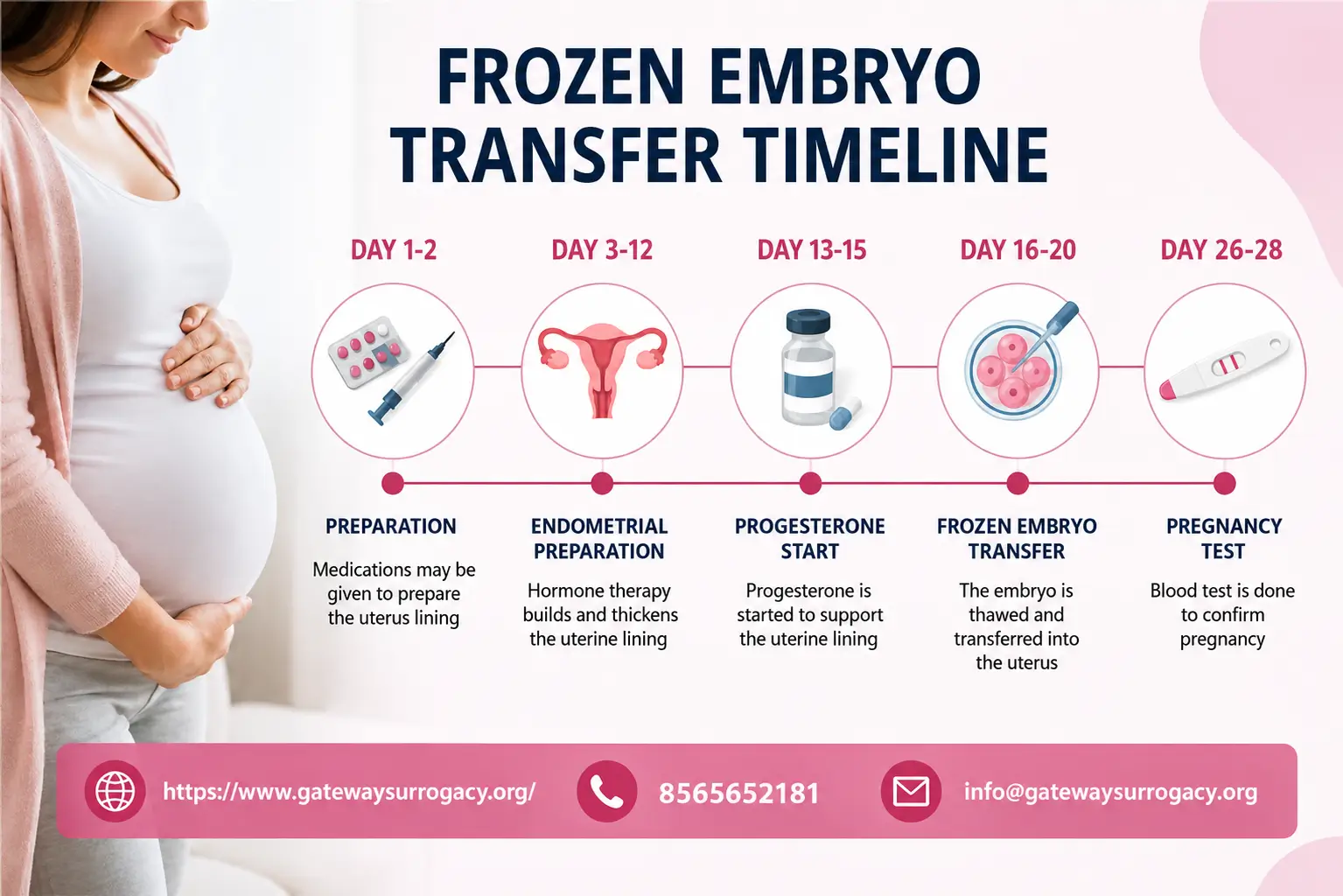
After the selection of the donor by the intended parents, the process takes on a more medical aspect. This is where the actual procedure differs according to the use of fresh or frozen eggs and the guidelines provided by the fertility clinic.
Normally, the process would entail:
- Selection of the donor and other relevant documents
- Medical assessments and tests
- Scheduling the procedure
- Preparation for egg retrieval, if applicable
- Egg fertilization using IVF
- Embryo development monitoring
- Preparation for embryo transfer
What Should You Look for in an Egg Donor Agency?
If you are looking at an egg donor NJ program or other alternatives somewhere else, selecting the right agency becomes essential. Select one that values transparency, donor screening, counseling, and support.
A good agency should educate you about the process rather than hurry you to make your decision quickly.
Some of the things you should ask are:
- How do you screen your donors?
- What information do donor profiles contain?
- How do you do your matchings?
- What kind of support do you offer throughout the process?
- How do you coordinate medically?
- What kind of legal counsel do you provide?
Understanding Requirements and Eligibility
It is important to know about the egg donor requirements in NJ before starting the process. Requirements might include various aspects, such as medical conditions, age, health checks, psychological screening, and more, based on certain guidelines set by the organizations and professionals in the field.
Intended parents should also be aware that there might be different requirements for different clinics and programs. It will be helpful to clarify the issues at an early stage to avoid any complications during the process.
Making the Right Decision for Your Family
There should be no hurry during the process of matching for the egg donor. Take time to evaluate profiles, understand medical aspects, discuss any concerns with professionals, and think about what is important to you.
The right match would always be the one that gives confidence and comfort along with meeting the required medical and personal aspects. Rather than striving for perfection, it is better to find the donor who meets your family’s needs.
For many intended parents, finding an egg donor is a crucial step towards creating their own family. With the help of adequate screening, a personalized approach, and professional medical assistance, this process will be much simpler.
If you need expert guidance through the process of matching, Gateway Surrogacy offers personalized donor matching services and consultations for intended parents. For more information, contact Gateway Surrogacy by phone (856) 565-2181 or info@gatewaysurrogacy.org.
Frequently Asked Questions
Q. How long does it take to find an egg donor?
A. It depends on the particular wishes of the client, donor availability, donor screening process, and treatment plan. Flexible wishes might be helpful in increasing the number of potential donors.
Q. What information can intended parents see regarding an egg donor?
A. Donor profiles might contain information about medical history, family background, physical appearance, educational level, interests, and more, depending on the program.
Q. How is an egg donor screened?
A. A potential donor is usually subjected to several tests, which include a medical examination, genetic analysis, psychological evaluation, and family medical history review.
Q. What criteria should I consider in my donor choice?
A. Think about the particular criteria for you, such as health history, genetics, physical appearance, personality, educational level, and others.
Q. Will the agency assist me throughout the whole egg donation process?
A. Yes, many agencies provide guidance beyond donor selection, including coordination with fertility clinics, emotional support, communication assistance, and guidance through various stages of the process.